This month Zenze’s putting a spotlight on YONA (The Youth Orchestras of Namibia), a pioneer in honing the arts amongst young people in Namibia and a 2025 BEST OF NAM NOMINEE.
“There is a place where music plays, we call it home, they call it YONA” that’s the tagline you’ll find on the instagram page for the Youth Orchestras of Namibia, an organisation dedicated to changing the lives of young people with music.
Below is an Interview with Ronaldo Kandume, a violin teacher from the Program and member of the board of directors as well as Gretel Coetzee the Executive Director of the program. The following is a combination of responses from both of them.
What is YONA all about?
YONA started in 2017. Our goal was to provide constructive activities and to help give direction to those with talent but no financial means to pursue their dreams. The kids call it home. We have children from different environments, they get to come here in the afternoons, spend their afternoons here, learn musical instruments, music theory and social behaviour. Gondwana Caters has been providing the kids with sandwiches and apples, every single day. We make sure we keep it a safe space, no violence, drugs, crime, or anything like that. Call it a safe haven for children.
Children can start coming in from as early as 6 years of age and they can select from three categories for intakes; the fully funded, partially funded and a bursary which includes transportation money, instruments and meals. The majority are beneficiaries of the bursary. The children don’t have to know how to play an instrument or have one in mind, we will help them select one. We just ask them to remain consistent and responsible.
Impact Stories
One of the biggest would be the kids who travelled to the Stellenbosch International Chamber Music Festival last year, it was partially funded by the National Arts Council of Namibia. For most of the kids, it was such an impactful occasion because it was something we all never imagined would happen. Going to a different country to play music was amazing enough, flying just made it so much better, and it was the first time for a lot of kids. To top it off, the festival allowed the kids to play along with a lot of very talented musicians, especially in Stellenbosch, a great scene for art and classical music. There’s more specific stories, but in general, there’s a lot of good coming out of the program, like that a lot of kids learn well enough to start getting gigs and earning their own money.
YONA welcomes different forms of contributions including donations, collaborations and sponsorships.
To find out more about how you can get involved, please reach out;
WHUDA (Winfried Holze Urban Design Architectures) a marble artworks studio which was started by Winfried Holze in 2018. It has since become one of the few marble arts companies actively preserving and transferring the art of stonemasonry.
Stonemasonry has, in the past decade, been cited as being amongst the fading forms of indigenous knowledge in Southern African countries. The Great Zimbabwe Museum, with the support of the Endangered Material Knowledge Programme, has been particularly focused on conserving the knowledge around dry stone masonry and encouraging a movement to reinvigorate the practice. It is an understatement to say that patronising this craft is a positive step in cultural appreciation.
The WHUDA team not only preserves this craft as artisans but they extend this skill to explore contemporary social narratives as well.
On the 6th of March 2025 the National Art Gallery of Namibia will be hosting WHUDA in an exhibition titled “Earth to Light” and the possibility of seeing some great works while exploring some insightful themes is palpable. The team’s recent works include an exhibition during KIFA Week 2024 (Kalahari International Festival of Arts), where the WHUDA team showcased works inspired by cultural integrity and mental healthcare which are very crucial subjects in our globalised world. Their latest work, “Silhouette Evolution” was a multidisciplinary event which portrayed the potent role of stonemasonry in contemporary arts and culture. Here’s a dive into that event;
Silhouette Evolution: Stonemasonry on perception and transformation
William Tonderai (Left) and Ino Ati the painter (Right)
On the 25th of January 2025, I had the exciting experience of attending the Silhouette Evolution live session by William and Ino Ati. A silhouette is an image often in a single hue and tone against a brighter background, usually a black shadow against a white backdrop. Evolution has to do with the gradual development of something. This event made use of these concepts to explore perception and transformation.
This was the scene of the event; a painter painting the image of a sculptor who was in the process of sculpting while the audience dipped in and out of observing that process. Going to add their strokes on two group paintings that were in the next room, having conversations and drinks or playing a game of pool. Meanwhile, the stone being carved, the reason we were all there, was going through its transformation amid all these activities.
This event was without a doubt, an insanely creative way to explore the nature of transformation. That the world doesn’t stop to watch you change and grow, you just do as the world goes on, so that Pinterest quote saying “Stop waiting for the right time, and just start working on being who you want to be” has some truth to it.
One of the collective paintings the audience worked on, led by Shamoulla
In terms of perception, it seemed, the idea of a silhouette captures this very well. Fundamentally “what is your single hue image as everything else falls in the background?” and that “simply because it’s not the center of your perception doesn’t mean it loses value or ceases its own evolution” (your main character is not the only main character).
The event masterfully showcased three ideas associated with perception;
That it is uniquely held; different people may look at the same things yet walk away with different ideas of it.
That to be perceived is not a requirement of transformation.
That what we perceive to be of highest importance is often what shapes our experiences.
While the audience simply watched a man turn a rock into a rock shaped like an owl. The painter created a much more dynamic image,capturing the sculptor’s movements while centering the owl with yellow eyes emerging from a block of marble. I mention the stonework as being at center stage, but, gathering from the painting titled “The sculptor’s nest” it could easily be the sculptor’s immense focus around all the movement and noise that could be said to be the crowning piece of the event, or the painter’s creative eye and craft in his portrayal of the transformation taking place in front of him that were the event’s masterpieces, or the paintings in the next room that the audience passively worked on together with less attention given to them until the sculpture was done. Or someone could’ve walked away remembering the owl in the painting and how it’s yellow eyes were watching us, and the guys playing pool could be looking on the day they had a great game of pool which stopped because it rained.
Ultimately, the title Silhouette Evolution perfectly captures this idea of a fantastic transformation taking place in the background. The question of which fantastic transformation takes the forefront depends on the viewers perspective, at the same time, that single perspective doesn’t lessen the value of the other transformations taking place.
William at workClose Up of the Sculptors Nest by Ino Ati
Conclusion
Go visit the exhibition on the 6th of March 2024 at the NAGN to experience WHUDA artworks. The Silhouette Evolution is only one of the many means of storytelling and exploring of concepts that the WHUDA team has participated in. As they continue to contribute to the preservation of stonemasonry as an art form, their creations and the narratives they explore effectively document the times in culturally specific forms, while having the potential to address several contemporary issues.
In the spirit of romance, love and union, I decided to revisit an old folktale I came across some year back about how the world came to be. For a good while, I believed that this was the Shona, world creation story. I’d later find that there were different versions of it, all written with the bold claim of being the single story of how the Shona lore described the creation of the world, each with the same characters, Musikavanhu/Nyadenga (God), Zuva (the Sun), Mwedzi (the moon), Hweva (Morning star) and Morongo (Evening star).
This story I’ve shared is a blend of all the versions I’ve encountered, enjoy ❤ …
This story goes…
Many years ago, before the great hammer hit the ground and before the world came to be, there was Nyadenga, who sat in constant contemplation. A moment came when he decided to move, in this moment he felt a great joy followed by an intense desire to share this experience. So he created to Zuva, full and fiery with a portion of Nyadenga’s greatest sense of passion and joy.
After a time, it became clear that Zuva could not relate to Nyadenga, he had a loneliness about him which saddened Nyadenga. On a certain day, Nyadenga shed a tear at the sight of a lonesome Zuva, who’d been yearning for something he’d never known before. Nyadenga kept this tear and breathed life into it. Giving birth to Mwedzi, a companion for Zuva.
The two shared a beautiful romance, and Nyadenga delighted in it. He gave them the ability to realize this love through creation. Together they were amazing creators, Zuva would create beautiful plants and vegetation and show them to Mwedzi, and Mwedzi would create insects, birds and many gentle animals to show to Zuva. The more they created and shared in the beauty of their creations, the more their love grew. Nyadenga had been gifting them with inspiration when they created and stoking their love when they were apart, it gave him a sense of whimsy to do this for them in secret, and the amusement he felt when they’d each come and talk about the other in their private times with Nyadenga, filled him with more gratification than he’d ever anticipated.
Gradually, they grew more and more distant from Nyadenga, relishing only in their union. No longer speaking to their creator, leaning into a vanity over the works they had done.
Nyadenga grew furious at this, after all, the entire reason he created them, was to share the joy of life with them.
He watched as their vanity transformed their love into arrogance, believing they had done it all on their own. He leaned further back when they no longer sought to create as a mark of affection and their once heartfelt devotion to each other turned into competition.
Their new commitment to outshine each other increasingly became fuelled with spite. Each one determined to prove that their creations were more beautiful, more important, more useful than the other.
In a moment of rage, Zuva, knowing that Mwedzi’s animals fed on his plants, began to lace some with poison, and sure enough, the animals began to die off. A grief stricken Mwedzi, not knowing how to deal with this deception grew angry at her creations, she had often bragged that her animals were stronger because they could move freely as they pleased and that she could easily command them to stomp on Zuva’s motionless plants if she wished. She never imagined that he would poison them, or that they could succumb to the attack of a motionless creature. Soon after she created more violent animals to hunt down and kill the ones that had embarrassed her.
This war that grew between Zuva and Mwedzi was felt by their creations. The plants vowed never to speak, fearing their father would set them ablaze. The herbivorous creatures grew more anxious, and uncertain, not knowing why they were punished with such violent siblings. And the carnivorous animals turned on each other, those who revelled in their roles as predators making a sport of attacking those who had sunken into shame and guilt for their violent nature.
Nyadenga could no longer bear the chaos. He called Zuva and Mwedzi and showed them the pain they had been causing. But they were too caught up in their strife to truly care about the harm they were causing to their creations, only choosing to blame each other.
So one day, Nyadenga took from Mwedzi’s smaller carnivores, the snake, which at the time only hunted for mice, and he filled it with poison from one of Zuva’s plants and set it loose. As Zuva paced and inspected his garden, he grabbed this snake with careless rage, mistaking it for a fallen branch and it’s hiss for an expression of disrespect, he had believed the plants honoured him with their silence.
He felt the poison shoot up and without much time he was with Nyadenga.
Mwedzi would meet a similar fate, when she grabbed the snake to return it closer to the mice after seeing it wonder near Zuva’s garden.
The two pleaded with Nyadenga, begging to be sent back, Nyadenga wouldn’t have it, but he allowed each of them a single ask for their eternal lives in Nyadenga’s house. Mwedzi begged for them to be able to watch over their creations. Nyadenga granted this with the condition that they never do this together, that they were to spend eternity watching over their world apart, and were to never directly interact with their creations as they did before.
After hearing that their union would not continue in eternity. A teary eyed Zuva begged for a chance to work on one last creation with Mwedzi, as a monument to their love. She accepted this, it hurt her too that their relationship would end, even though it had become so bitter. Together, with the help of Nyadenga they spent time creating mankind and womankind, pouring bits of themselves and their shared love and knowledge into them, and placed them on earth to help keep harmony amongst all creatures.
Soon after they were done, they shared a final kiss and a teary farewell then Nyadenga kept his word and separated them. Calling Zuva’s watch time day time and Mwedzi’s watch time night time.
They drew nearer to Nyadenga, in their separation and the love that they had shared for each other resurfaced. So Nyadenga, not wanting them to suffer the lonesomeness that had once caused a heartbreaking isolation in Zuva, allowed them to send messengers; Hweva and Morongo, between each other, while keeping the vow that they never meet again.
The African Renaissance is taking place and through it we are fortunate to be at the forefront of seeing Africa take her place in the world. There are ongoing efforts at decolonising several industries, reclaiming narratives as well as embracing and contextualising cultures. The idea of Global Africanism looks at where Africa finds herself during this transformative era and how she interacts with her global peers.
The term was popularised in an edition of the General History of Africa project which was introduced by UNESCO in an effort to support Africans reclaiming their narratives. The purpose of the Global African movement was to bridge the militant goals of the Pan-African movement with the diplomatic efforts of international bodies such as the AU and the UN. On one end, making PanAfricanism fit global diplomacy standards has been seen as a form of giving up and folding over to forceful powers, with leaders such as Malcom X fervently urging his followers to remain distrustful when it came to diplomatic approaches to conflict resolution. On the other hand it is the diplomatic approaches of leaders such as Nelson Mandela, that helped translate PanAfrican goals and get state freedom.
In his 2019 paper A call for a ‘right to development’- informed pan-Africanism in the twenty-first century, Kamga discusses how the rest of the world can take part in the African Renaissance particularly in the realisation of the right to development. That way, he essentially incorporates Global Africanism in his arguments. Outlining how international tools created to maintain diplomatic relations, can be useful pathways for development only if Pan-African goals are centralised rather than the neo-colonialist outcomes that many African countries have become subjected to. This right is outlined in Article 22 of the 1981 African Union Charter, the basis of the 2001 New Partnerships for Africa’s Development program by the Au as well as Resolution 41/128 of the UN General Assembly (the Declaration on the Right to Development) and is embodied in the 2030 Agenda for Sustainable Development.
In a 1998 speech Thabo Mbeki made a reference to the Japanese Meiji period when illustrating the possibilities of the African Renaissance, a time of industrialisation for the Japanese and successful resistance to being colonised. In this it’s made clear that most important means of achieving this is building such an interest, especially amongst the emerging young Africans, to form united African nations, to learn and contextualise what’s working for others, all while maintaining cultural integrity.
Thabo Mbeki spoke a lot about the African Renaissance during his presidency, making clear his ambitions to bring South Africa to a level playing field with global superpowers. This ambition and vision stirred up hope for a much more successful South Africa, but in implementation, he faced criticism for placing so much focus on these diplomatic relations that he’d neglect meeting many South Africans’ immediate needs like employment for a great amount of the youths. That being said, Kamga’s approach seems to address what much of Thabo Mbeki’s approach missed. Voicing how the need to meet practical needs is an international objective that can still be met.
Global Africanism and the African Renaissance are PanAfrican concepts that, not only call for the imagination of a better future, but collaborative efforts to making that future a reality. Kamga makes it clear that the potential exists for everyone to take part in this. We’re one year closer to the Global Agenda for Sustainable Development’s vision 2030 and it’s exciting to see ideas that aim to make PanAfrican goals a reality.
Painting: The Right to Equality by Minna Pietarinen
My interest in visual art has been in relation to how art brings about justice, transforms and documents culture and good old slice of life type of work. The work in the “I was born a girl” is a well timed reminder for women’s rights defenders to never lose hope. The exhibition was launched at the Goethe institute and HISA center, hosted by the Finnish embassy in honour of the 16 Days of activism against Gender Based Violence, taking place from the 24th of November to the 10th of December. I have no doubt that it was a worthwhile experience for anyone who appreciates art as a tool for justice. A project by Minna Pietarinene and Peppi Stunkel to highlight the incredible efforts of women’s rights activists and leaders from different parts of the globe. Each piece comes with a poem and corresponding human rights and their stories, succinctly capturing the efforts of some pretty awesome human beings.
Here some highlights from this exhibition;
Context from Namibian Human Rights Advocates
The event was launched with a notable mindfulness for the context of where it was being launched. The work has been showcased in different parts of the world, including Mexico, South Africa, Mozambique and Switzerland and it’s great to see that the project takes into consideration the conditions and background of its destination country. Created with the notion that while human rights are for everyone, they are not a ‘one size fits all’ solution.
Often times when the subject of human rights comes up, the risk of westernization disguised as human rights, especially because of the consequences of not being vigilant about intentional or unintentional colonial imposition. The need to guard contextual narratives is often a top priority when human rights are discussed because too many instances have come up where irrelevant solutions are applied. During the launch of this event, a panel discussion was held which included speakers from The Legal Assistance Center Namibia, UNFPA Namibia, Sister Namibia and the One Economy Foundation. The conversation highlighted an existing frustration with inadequate implementation of laws in Namibia, the need to expand on civic education and men’s engagement with Gender Based Violence Advocacy in Namibia. In response to this, a male engagement event in honour of the 16 Days of Activism against GBV was held on the closing day of the exhibition at the HISA Center. This exhibition was more than just a moment to appreciate some good artwork, it also provided a helpful platform to unpack men’s roles in advocating against GBV, the reality of having great written laws but not being able to use to rely on them, either as a result of people not knowing them well enough or regulators not always making use of them.
Photo: Standing next to the “My Dear Shame” piece by Minna Pietarinen.
The Works, the Poetry and the Women
What makes the “I was born a girl” exhibition especially universal is that the collection includes diverse women from diverse communities, all bound by uniting rights and theme. The colour orange is present in all the pieces, the colour of the Unite to End Violence against Women Campaign which encourages people to wear orange to symbolize a future free from violence. It starts off with an overaching experience associated with human rights violations, shame. The piece titled “My Dear Shame” speaks on how isolating and overwhelming such experiences can be, and how human rights are protective boundaries that make room for love, and how these rights can bring about positive change. The right emphasized in this piece is the right to safety and a life without violence. Other works include stories of women who intenetinally went into the profession of politics and the protection of human rights such as Sanna Marin the former Prime Minister of Finland who advocated for the right to non-discrimination. Women who inadvertently fell into advocacy by unapologetically pursuing their passions, such as Alcenda Panguana and Rady Gramane who became symbols for the right to gender equality in sports after challenging stereotypes in boxing. Women whose efforts as community workers highlighted rights violations, such as Zanele Mbeki whose commitment to social work resulted in her significantly addressing the right to economic empowerment.
The I was born a girl exhibition ran in Windhoek from the 13th to the 19th of November 2024 at the Goethe Institute and from the 20th to the 27th of November 2024 at the HISA Center. To learn more about this work, visit www.iwasbornagirl.fi .
The owners of the rights shall be the holders of traditional knowledge, namely the local and traditional communities, and recognized individuals within such communities, who create, preserve and transmit knowledge in a traditional and intergenerational context in accordance with the provisions of section 4.
The application of this section is partially significant for how it allows customary groups to take ownership of their stories. The colonial era had oppressors taking the role of the authority on people’s stories. While we remain grateful for education, we can’t neglect the messaging that, “foreign knowledge is superior to indigenous knowledge.” This has played out as indigenous people not often being at the forefront of being historians of their own cultures. Since independence, many cultural groups have been making efforts to correct the stories that have been told about them. In this article we’re covering two works that have been conducted in Namibia, surrounding the cultural relationship between people and the ocean.
A phenomenal production retelling the story of the ǂAoni people and the ocean. The play consists of a cast of three, the father (Dawie Engelbrecht), the mother played by Hazel Hinda and their daughter Khoendikhoes, played by Chantell Uiras (Diolini). The story follows the three as they revisit the events of the colonial past and how these impacted on the current socioeconomic position of the ǂAoni people, a clan of Nama people mostly found around the !Kuiseb river in the Erongo region also referred to as the Topnaar community.
Setting things straight
One of the main issues covered in this play is that of the history of the community. Colonial era historians alleged that the community’s displacement during the colonial era was in response to countering fighting within the community and harm to the natural environment. The story starts by letting us know who these people were recognized as, ‘the water people’ or guardians of the water and marine life. Their role as caretakers was undermined by the ambitions of the colonizers. It was also clear that they were moved without consultation and that it was carried out in a forceful and chaotic manner. They did not stand a chance against the armed invaders and had no other choice but to comply. An all too familiar history. Before anyone else felt the hit of the colonial invaders, they, being at the coast, felt the first and strongest blows, and because the settling of foreign invaders on the coastal territory did not help their case much.
They spoke of the !Nara fruit (Acanthosicyos horrida), how it was not just food, but the unique way in which each family farmed it was a way to distinguish between families. After the displacement, restoring the practices that were central to their cultural identities has been a struggle not so much because they have lost the capacity to do so, but more because of the policies put in place to make sure that they never do Policies that have seen their way into post-independence Namibia. The play was not made out to be an attack on the contemporary government, but a channel to shed light to the fact that they (the Topnaar community) too are a people that were uniquely disempowered by the apartheid system, and that their story continues to be swept under other emerging and apparent issues. The story has been written in collaboration with academic research institutes like the University of Namibia (UNAM), One Ocean Hub, Global Research Fund, and UK Research and Innovation. Researchers such as Robert Vigne are also amongst those who have showcased the significantly disproportionate level of harm faced by the Topnaar Community during the colonial era. It’s safe to say that the message shared is one grounded in facts not a baseless critique.
When speaking to the audience after the play, a leader from the ǂAonin community, Joel Kooitjie, as well as, acting chief of community Stoffel Anamab, pointed out the struggles that their people continue to face today. Some impacts include the fact that they are only about two Topnaar people in local authority offices and that decision makers in their area can sometimes fail to capture their context very well and ultimately miss their needs. Furthermore, as a community that had largely survived on marine life for sustenance, bearing witness to the harm the ocean and its creatures have faced while disempowered from taking any feasible steps to help serves as a testament to the gradual weakening of their own development, this is in part because a great amount of their income came from inland circulation of oceanic goods. The historical and cultural relevance of ocean governance in this community has been significantly undermined and resulted in having to re-adapt to a life where their strongest skills remain in the backburner. It goes without saying that this need to suppress who they are in order to be convenient for invaders is a level of robbery that digs at the core of personhood.
Conclusion
The play ǂAONI //AES is an example of the Swakopmund Protocole at work. It’s the active reclaiming of a history by the people. It is also an assertion of who they are and who this land has known them to be. The impoverishment and struggle they face today is a result of being subject to a system that has unfortunately kept them down. The post-colonial government canntot take the blame for this, but, in their continuous efforts to decolonize Namibia, they can take the Topnaar Community and their pleas into consideration.
The Swakopmund Protocol was created to make sure that Africans are the beneficiaries of all African Traditional Knowledge and it’s the central player in our latest exploration of rights in the series, Africa for Africans. We’re diving into works by some artists who have been using these intellectual property rights to pay homage to their cultures and contribute to the evolution of folk telling.
In a nutshell, this protocol was developed by the African Regional Intellectual Property Organization (ARIPO), with the goal of allowing customary groups to have their traditional knowledge and expressions of folklore protected. The colonial era brought about the consequence of demonizing African lore. All of a sudden stories that had been shared for educational purposes, entertainment and community building became sub-par. It’s no secret that such systemic changes had greater, long lasting impacts. Some notable impacts are biopiracy, the false retelling of local knowledge by invaders, and a forced depersonalization of cultural identities.
Protecting the knowledge and how it is expressed and who gets to express in allows African groups to reclaim narratives and forge new, desired identities. In this legal tool, “expressions” include:
verbal expressions, such as stories, epics, legends, poetry, riddles and other narratives such as signs, words, symbols and names;
musical expressions, such as songs and instrumental music;
expressions by movement, such as dances, plays, rituals and other performances, whether or not reduced to a material form; and
tangible expressions, such as productions of art, in particular, drawings, designs, paintings, carvings, sculptures, pottery, terracotta, mosaic, woodwork, metal ware, jewellery, basketry, needlework, textiles, glassware, carpets, costumes, handicrafts, musical instruments and architectural forms.
ARIPO was established in 1976 in Lusaka, to specifically regulate and address the intellectual property rights of Africans. Soon after this, the Harare protocol was created in 1982, giving special attention to patents and industrial designs. Following this was the Banjul Protocol of 1993 which addressed trademarks and service marks.
Neither addressed traditional knowledge and folklore. In 2004 ARIPO sought assistance from the World Intellectual Property Organisation seeking assistance with formulating a legal tool that could address this. After all, traditional stories, lore, music and art are aspects of cultural identities and are not like other creative works that can be copywritten and attributed to specific, clearly identifiable, individual artists.
So, the Swakopmund Protocol was created to address the need to protect traditional knowledge and folklore in August 2010. There are still some conflicts surrounding rights over traditional knowledge, like ownership of brewing processes or rock painting styles that stretch across different cultures, these aspects are still being worked around and well dive into them more in upcoming releases. This introductory post gives a brief glance at this tool, stay tuned as we talk more about how this has helped in the development of Afrofuturism, contemporary artworks and economic development in different African countries.
Uno and Hatago is an aptly timed production. It was largely marketed as a lesbian film, and it is, but it goes beyond that by addressing harmful cultural practices and promoting unity.
Uno and Hatago follows the story of a nurse, Uno, played by Diana Master, who’s world suddenly crashes when her family finds out about her sexual orientation. Up until then, Uno had been living in Windhoek with her partner Hatago, a feminist and LGBTQ+ rights activist played by Uakamburuavi Jeomba.
Patriarchy, Family Secrets and Tradition
The film is centered on how Uno’s family of OvaHerero traditionalists react to finding out that she is a lesbian woman. The traditionalism is explored from two ends. First is the ‘traditionalist’ idea that lesbianism is not acceptable or that is something foreign, and second is a traditionalism which acknowledges that lesbian women (and other members of the LGBTQ+ community) have always existed in Namibia and that true tradition is that this is not unAfrican.
The patriarchal nature of the first perspective is perfectly portrayed by Uno’s uncle, played by Mervin Cheez Uahupirapi, and her father, played by Lesley Tjiueza. These two played these characters so well, I left the theatre with so much animosity for fictional characters. The way they are written doesn’t stretch far from reality at all, the audience is likely to think of characters in their own lives who are like these two.
We meet Uno’s uncle during an intimate gathering at a restaurant, where they (Uno, Hatago and a few of their friends), have gone to celebrate Uno’s graduation. During that same night, Uno’s uncle is having dinner with his girlfriend, an extra-marital partner. His girlfriend insists on taking a picture of him, and as he protests this, he notices that she also captured his niece, Uno, kissing a woman right behind him. Suddenly his focus turns away from the possibility of being caught cheating to excitement having caught his niece in what he considers to be a cultural ‘sin’. He asks his girlfriend to share this picture with him and takes it to her father under the guise of taking immediate action to save the family’s reputation. His solution to this is to marry her off to Tove, his nephew with seemingly low marital prospects. The two agree on a dowry that Uno’s father can pay and thereafter, call Uno to the homestead to tell her that they found out about her ‘city life antics’ and about the marriage they have organized for her. In line with unspoken cultural norms, this uncle sexually assaults Uno to ‘prepare her’ for marriage.
Her father shows pride in his recently graduated daughter for her qualifications before completely discarding that in favour of viewing her as a shameful person. From the moment he finds out that his daughter is a lesbian, he focuses on hiding this “shame.” Essentially, it seems like, she is not truly successful if she does not let a man dominate her. He expresses this more by defending her uncle and disowning her after she reports the assault and carries on her relationship with Hatago. Embracing her lesbianism is a rebellion against the idea that she is not a real woman if she is not in a relationship with a man, just as being gay may be falsely viewed as not ‘real manhood’ if one is not dominant over a woman.
This form of ‘traditionalism’ which focuses on filling heteronormative and patriarchal templates completely undermines that dignity of women and this film explores this in a realistic way. The fact that Uno’s uncle was cheating is a non-issue while Uno’s committed and healthy relationship is. The fact that he has violated his niece is less of an issue than the fact that she is a lesbian, even to the police officer who recieves the matter.
It is Uno’s grandmother who sheds light on another of the other view of ‘traditionalism.’ The idea that lesbianism has always existed and that assault on women is an unacceptable norm. She helps Uno escape and return to the city after finding out that her uncle has attacked her, and the film ends with her sharing a story of a same-sex partner that she had before being married off to her husband. She shares about the grief she experienced when that partner passed away and the pain she felt not being able to express the extent of that grief given the nature of their relationship. She emphasizes togetherness through love and acceptance within a family, rather than allowing harm to go on, in the name of protecting family honour. She frames honour as being something that can come from showing up for each other rather than maintaining socially imposed images. In this case, the images of the ‘macho men’ and ‘high achieving, good girl daughter.’
Uno’s mother starts off with a similar stance to that of her husband. Rejecting her daughter because of her sexual orientation. However she gradually leans towards accepting her daughter after seeing that her family is becoming torn apart because of this, and worse still, that Uno’s sexual orientation has not stopped her from becoming a productive, successful and helpful member of society, or from having a child. Throughout the film, she maintains a regal and stoic disposition, not showing affection and avoiding vulnerability until it becomes clear that her husband’s stubbornness may force Uno to completely cut them off. This may have also been amplified when she meets her daughters mother-in-law, Buruxa (I hope I spelt that right), who shows unconditional love, encouragement and acceptance to Uno. Buruxa is the mother Uno needed and this may not have landed well with Uno’s biological mother. Soon enough, she takes on the grandmother’s stance, to lean into love and acceptance, while maintaining her rigid mannerisms. The character doesn’t change drastically, but in subtle ways like inviting Uno home and making her tea, and in her most expressive moment when she stands up for Uno to her husband, pointing out that his pursuit of family honour is fueled by hatred and that this is not the kind of family that can stay together for very long. She seems to represent anyone who has experienced this changing of perspectives, from a tradition rejection to one of radical acceptance.
Criticisms
Unfortunately we do not get to see Uno’s mother reacting to the assault and we do not get to see her express pride in her daughter’s achievements. We just see her expressing a whole lot of disappointment and coldness. Which can bring up the question of whether her distant nature is just who she is or if it came as a result of finding out that her daughter is a lesbian. Sure, Uno becomes tense when she notices that her mother is upset with her but the inexpressiveness seems to continue even after they have made amends, and seems to be there when Uno’s grandmother shares her story. It is not clear if we should expect affection from this woman if this is the personality she has always had or if she has taken on this persona as a reaction to Uno being a lesbian.
With the exception of Uno and Hatago’s friends whose cultural backgrounds and sexual orientations remain a mystery, the OtjiHerero heterosexual women we meet are all homophobic. On the other end of the scale, Buruxa, the only other woman we meet who is accepting of Uno and Hatago’s relationship, is of Damara heritage. Her sexual orientation doesn’t come up, but there would have been some reality balance in seeing a non-Herero speaking homophobe or a non-LGBTQ+, OtjiHerero speaking ally. This may come off as pitting the two customary groups against each other in how they view LGBTQ+ issues given that Namibia has the added context of tribalism and these two groups are mentioned on opposing ends of this issue. (But then again, the existence of this dynamic in this one story doesn’t mean there’s no alternative dynamic elsewhere, so don’t miss the plot by centralizing these criticisms)
Conclusion
More LGBTQ+ stories are needed in media, especially one’s like this one that humanize same-sex partners. Homophobia is just dispensed without consideration for the humanity of the people being attacked and the fact that they too are members of society (Just scroll through the comments section of any LGBTQ+ related post on the Namibian pages, it’s a mess). Beyond this, the authenticity of LGBTQ+ stories told by a predominantly LGBTQ+ production team didn’t go past any of the audience members, and likely contributed to how impactful the overall story is. The story touches on other themes that are not LGBTQ+ centric such as family, harmful cultural practices, civic action, women’s rights, gender norms and romance (I didn’t get into it but Hatago is such a supportive and loving partner, they’re a wholesome couple which makes it so much easier to root for them. The way their relationship is depicted is enjoyable and if not for the political aspect of this movie, you may want to watch it for the romance story.)
On the 21st of June 2024 the High Court of Namibia ruled in favour of declaring the sodomy law unconstitutional in the case of Dausab v the Government of Namibia. This follows years of activism alongside a steadily rising amount of homophobic attacks and an Anti-Gay Bill. We are in a pride revolution and here’s why its an important step against colonialism and genocide…
What does this have to do with colonialism?
Before colonialism, being gay was a norm. This sounds like a taboo to many who have fed into the false idea that tradition justifies homophobia. In many African countries, the word “gay” was normal enough to acquire its own title. For example; Eshenge in OshiWambo, Ngochani in ChiShona and Adofuro in Yoruba.
In the Namibian Ovambo cultural context it was believed that these men simply possessed a feminine spirits and were regular members of the community rather than ostracized minorities. German anthropologist Kurt Falk confirmed this during the 1920s having spent time with several Namibian tribes, including the Ovambo, OvaHerero, Nama and Himba. Ethnologist, Carlos Estermann supported this during the 1970’s and added that it was a culturally acknowledged ‘third gender’. The very first anti-homosexual trial was conducted under the German colonial rule. Four German men were banished for having defied paragraph 145 of the German Code which outlawed sodomy. This outlawing of sodomy was carried on by the South African colonial regime after taking over Namibia as a protectorate. If it isn’t already clear, the anti-homosexual laws were not born of tradition but of colonialism.
Over time, the colonial effect of self-rejection (a phenomenon whereby subjects to colonialism consciously reject colonialism but have learned to look down on their ethnic origins, cultural groups, cultures and customs) included a rejection of the LGBTQ+ community. Colonialism left in its wake, many with the idea that “all are equal but some more equal than others.” In our context, this idea from George Orwell’s animal farm wasn’t limited to just financial pursuits, but to the pursuit of love and happiness as well. A 2013 baseline study revealed that about 73% of nmaibians were under the impression that members of the LGBTQ+ community were accorded equal rights. This has not been true since the pre-colonial era. It has since become more evident that many are more aware of their own rights than those of others. So when words like moffie are blurted out in the same tone as the word nigger or kaffer , it is easy to play it off as common rhetoric despite the fact that such terms are intended to humiliate and undermine an entire group of people for natural differences that they have no control over. Worse still, many have used these rhetorics and the laws supporting them to justify their violence and hatred, and further to pervert religion to suit these hateful narratives in the name if dispensing justice for God’s wrath. But that’s another conversation. In short, the same way colonial laws emboldened racist attacks, is the same way anti-homosexual laws embolden homophobic attacks. The same way racism was rationalized to seem like something morally acceptable, is the same way homophobia is rationalized to seem like the more morally acceptable stance. It is not.
The Dausab v Government of Namibia Judgement
Fortunately many LGBTQ+ people and allies have taken a stand against these senselessly exclusive laws. Everyone should have the opportunity to freely pursue romantic relationships. Human rights are a core aspect of the Namibian Constitution and are found in Chapter three. These have been developed with various religious and ethical concepts in mind, with the goal of ensuring that the law treats us all fairly. That we treat each other fairly.
The court in this case had to deliberate on three issues that relate to this;
Whether the sodomy law violates the right to equality (Article 10(1))
Whether the criminalization of same-sex relationships between men serves a justifiable purpose
The balance between the interests of society and the interests of gay men
A few interesting points came up during the discussion that led to the decision that the sodomy law is unconstitutional. These are that;
If the same act takes place between men and women, it is not criminalized, which means that this law targets and unfairly discriminates against men on the basis of gender.
This law does not serve a legitimate purpose. The moralistic justification that sex between men is unnatural is subjectively held by people whose rights are not infringed by the existence of these consensual relationships. Upholding these peoples morals over those directly affected by this law goes against the principle of democracy.
Outlawing these men’s private relationships is irrational and serves no justifiable purpose.
Although the discrimination differentiating heterosexual men from homosexual men is not covered by the grounds listed in article 10, it still amounts to unfair discrimination.
This landmark judgement has made room for more Africans to enjoy their sovereignty within the continent. If we keep moving in this direction, LGBTQ+ may not be discouraged from living and thriving in their own continent, and in turn, will not move away from helping their continent thrive. LGBTQ+ rights are human rights. Let’s change the statutory provisions to make them more inclusive of LGBTQ+ people.
NTN (The National Theatre of Namibia) came back with a bang and I am more than glad that I didn’t skip this play, The Wasp was, in one word, jaw-dropping. When we act like there’s no elephant in the room, it will eventually stomp us. That’s one of the major themes in NTN’s latest production “The Wasp.” This play is not for the feint-hearted, you might just question your own ethics while watching it, at least that’s what I found myself doing during the climax of this, thriller.
The Wasp is the story of two women, who reconnect after years to rekindle what they keep referring to as a friendship, but, friendship is the furthest term I’d use to describe this relationship. They are the only two characters we meet and they’re all we need, Morgan Lloyd Malcom’s writing this had a fly on the wall effect to it, giving us the sense that we know the characters very well through us eavesdropping on some very hush hush conversations, meanwhile still being able to deliver twists that keep the audience hooked. So a 10/10 from me on those stage directions and the dialogue. Here are my biggest takeaways from this play:
On Friendships and “Friendships”
Ever wondered what the worst case scenario could be in a friendship where unaddressed competition and bitterness are at the core? Well The Wasp does a great job at showing us just what might happen if you and that frienemy keep walking on blurred lines. This play shows us that things can change and eventually something has to give in blurred line based relationships.
The play starts with a meeting at a café between the two, Heather and Carla. Heather has become wealthy since their school days while Carla lives more paycheck to paycheck, the remnants of what was a love-hate relationship between the two are clear in how they speak to eachother. In in their first meeting in years, the awkwardness of an unlikely meeting between two people who had fallen out was very well portrayed and spilt over into the audience. It was clear that there were a lot of unspoken words between them throughout that first meeting. Carla has little patience for any outside opinions about her, she has shown up fully prepared to fight Heather, should the need arise, it doesn’t, but if it had, best believe Carla was ready to go from the very beginning. Meanwhile, Heather is the embodiment of the seemingly polite aristocrat whose back handed statements are delivered like they are either facts or gifts.
Heather has a proposition, for Carla to kill her husband. Why Carla? A strong belief in her capacity to be callous. The oddness of the proposition struck us all, a very much needed “o O” from one of the audience members, vocalized what we were all thinking. If someone wants their husband, or anyone killed, why would they reach out to an old high school frienemy? Well the twist ending was the perfect pay-off for this confusion.
All too often fears of being alone, the need to assimilate or be one of the ‘cool kids’ can lead to whitewashing rather than confronting violations. This play shows how, if left unaddressed, these dynamics can spill over well into adulthood. How talks of ‘healing the wounded inner child’ don’t just stop at some internal reflection, but also involve looking at addressing conflict and hurts from other people, and how if that doesn’t happen, the cycles continue until either you or the cycle are broken.
The Authority of the Sacred Victim
*Big spoilers here*
Molly Brigid McGrath published a paper called “The Authority of the Sacred Victim” in 2020 which talks about the harms of maintaining a template of how a victim should be observed. That the possibility of harm by a social victim can result in the creation of new villains. It is wrong when an individual uses their trauma to justify causing trauma, it explains it, but it definitely doesn’t make it right or acceptable. This play does an excellent job at exploring that. It takes this a step further by giving us two protagonists who have understandable backstories for why they are the way they are, and why they do the things they do. Heather is the one looking to murder her husband for infidelity, resorting to catfishing Carla and spying on her before presenting this proposition, and even convincingly threatening to torture and kill Carla after the proposition is made. On the other hand, Carla violently bullied and sexually assaulted Heather in high school, because she was the more teacher’s pet type and her family was more loving than Carla’s abusive family. I’ll admit that it’s easier for me to lean towards Heather in this situation, bullies, especially the ones who do it intentionally not out of ignorance, are disgusting. Yup, I said it and I’d say it again. But the play is written in a way that asks us to both empathize with and dislike these two. Both are ‘sacred victims’ and the finale has one offering the other a way out, to choose to walk away and be forgiving, and start a new chapter or to embrace animosity. The choice she made was definitely worth the wait (not spoiling everything ).
Perfect is in the eye of the beholder
We are introduced to Carla the pregnant Mother of five sitting outside a café and smoking and Heather enters the scene making her out-of-placeness apparent. This place is a casual enough place for Carla yet too casual for the likes of Heather. On first listening their ‘have and have not’ relationship makes Heather’s situation more preferable until she speaks about how much she’s been struggling to have children. Carla dangles her upper hand in this instance and even offers to become a surrogate for some money, bragging about how easily she can get pregnant. After some awkwardness over this, the two gossip a little about a former classmate who is in a relationship with a serial cheater, briefly sharing a high horse over this before even that high horse is broken by how differently they think about it. Carla thinks its normal for men to cheat, the role of the woman is to tighten the leash on him, while Heather believes men should not be excused for such behavior. (Very much noted the heteronormativity of these views and their normalcy.)
Each woman is desperate to escape aspects of their lives. Heather longing for a healthy family of her own while Carla hopes for financial freedom. In our discovery of this, each one is free and confident with whatever they have over the other, and to point out the inferiority of the other. It is Heather who announces Carla’s difficult financial situation, repeating how desperate she must be, and that she’d “obviously” do anything for money. And while Heather speaks of her marital and fertility struggles, it is Carla who emphasizes how easy this part of life should be and adds salt to the wound by making light of Heather’s struggle, the discovery of the abuse in high school make Carla’s jokes more jarring and almost make her seem inhumanely cruel.
Conclusion
All in all, this play is fully worth the watch. If the opportunity ever presents itself, GO WATCH IT!!! These are only a few of the themes I picked up but there’s a lot more I left out. The cast, stage design, directions, all of it were a superb “welcome back to the theatre.” I hope to see more from this writer and can’t wait to see what else NTN has in store for us.
Happy April first, we’ve got a new addition to our mini-March stories series, where we’re sharing stories written that center the holidays that we celebrated in the month of March, International Women’s Day, Independance Day and Easter. Girls Night Out is a story that acknowledges violence against women and girls following independence, how it has become something that spoils freedoms hoped for by many freedom fighters and how these terrifying situations have often become just common cautionary tales.
The dance started promptly at 6pm. Thandeka and Mary and I were already there by 5:30 , we didn’t know that people never came early for these events and we’d soon find out that we didn’t need to save up for new high heels unfamiliar make-up and heavy jewelry, we could have easily pulled off a look with some high tops, tube-tops and flared mini-skirts or shorts and lipstick. But it didn’t matter, we had just made it to our first school dance and that’s what mattered the most.
It was well orchestrated, we had told our parents that we would have a hockey match, an away game, and that’d work for a good cover to see the dance through to the end. None of us was particularly good at hockey, we’d made the team thanks to a quota formality and would tag along and bench. There was no game this weekend though, but we needed an excuse to make this happen, it was the last year of high school and we were going to make it count. The night would end with a sleepover at the home of Thandeka’s aunt, Ms Marange.
She was one of the teachers at the school with a house on campus, and, had played the role of a fairly open-minded older sister to her rather than that of an older mother as her familial title “mainini, young mother” had demanded. She’d go along with their plan as long as they promised to report to her every 15 minutes and to make sure they would head home and do their homework as soon as the dance was over. She was in her late forties, a former soldier who met her husband when he was in exile and moved to his home town soon after the war. He’d remained in the army, and travelled on missions with the NDF and she left that life and was now a drama teacher and writer, known for being unreserved and amicable enough for students to be very liberal in her presence yet firm enough to innerve cold-feet in anyone who thought of disrespecting her. “Yho, maborn-free with your pre-occupations” she mused upon seeing our shoes. I felt a slight wash of embarrassment because I really felt like an adult in my peep-toed heels.
People started piling into the school hall by 6:30, this was the big Independence day bash that took place annually and was always the source of the juiciest gossip and stories that would illicit a fear of missing out that served as enough justification for lying to our parents. “We were doing this for a greater cause…we must enjoy our youth,” we agreed. By the time everyone was settling in, we were barefoot, dancing in the glory of a very well executed con on our parents and a coming of age moment being experienced. Our fifteen minute report-backs to Ms Marange started off as a group endeavor and after around 8pm became individual check-ins. We’d separated after Terrance, a classmate of ours, had asked Thandeka to dance, Mary and I didn’t want to hover around them, so we moved away and soon enough Mary was swept away by Ndapewa, a girl she’d been enthralled with in the previous year while I remained absorbed in the music and dancing. Ms Marange didn’t seem to mind us splitting up, her responses to our check-ins were a slight nod and waving away while talked to some of the other teachers.
I was just about to show off my routine to Soulja-Boy’s CrankThat when Mary tugged at my arm asking where Thandeka was. My impulsive shrug-off was met with a loud, “Where did she go!” from a raging Ms Marange. I knew the fifteen minute mark had just passed but this was a rare opportunity to show off that I knew all the moves from the music video. “I told you girls to make sure you report back every fifteen minutes. Both of you, go and find Thandeka now!” We raced out of the room, averting our eyes from the gaze of our nosey peers, none of whom had a word to say about Thandeka’s whereabouts.
“You were on the dance floor, didn’t you see where she went?” Mary asked.
“Honestly Mary, I wasn’t paying attention. Where’s Ndapewa, why isn’t she helping us look?” I responded in a tone that made my irritability very apparent.
“She’s checking the bathrooms, Marange started with me before we got to you, Ndapewa and a couple of other students were told to go check the bathrooms and the junior classes, you and I should probably head over to the car-park, the sports field and senior block.” Mary remained unbothered
“Why is she so furious, it’s not like Thandeka has been missing for hours, it’s just been a few minutes. Did you tell her she was with a boy?”
“No, and let’s keep it that way, you just know she would never let us forget if we did.”
“I don’t know, all I know is that I would rather search for Thandeka for the rest of the night than have my mother know where I really am.” Mary said, making me focus on the bigger picture.
We called for Thandeka and Terrence, scanning through the car park and the sports fields. The more we looked, the more the thought that they were somewhere fooling around eroded. She and Terrance flirted often and passed each other notes from time to time. She once said they had been texting on Mxit throughout the holiday before her phone was confiscated. So we had no reason to suspect that anything was awry. Our walk up to the classes was silent. Neither one of us wanted to discuss the possibility of anything terrible happening to Thandeka. The distress Ms Marange had shown had caught up to us, but neither of us would acknowledge it, jokes about horrid possibilities and expressions of annoyance turned into fast paced marches and echoed calls.
So when we headed back up-school to a crowd in front of the science lab, I was certain that the anvil I felt weighing on my chest had also struck Mary. She was braver than I was though, she shoved through the crowd to find a bleeding Thandeka centering this crowd of mumbling students being herded back by teachers. A teary eyed Ms Marange pacing rapidly on the phone, coupled with involuntary eaves dropping confirmed a worst case scenario that had just been too convoluted for us to plan for. Thandeka wasn’t moving, and Terrance had been taken to a separate classroom. My mind couldn’t comprehend it. Suddenly what had been my worst fear earlier that night paled in comparison to the actual reality. My parents were called, and they too were caught in the surrealness of what had taken place.
A combination of piecing together questions from the police interrogations and newspaper articles eventually helped us draw pictures of what had happened.
Thandeka and Terrence had been dancing, a supervisor who had been reminding them to stay at an arm’s length distance apart, claimed they stopped keeping track of them after realizing that they had been reporting to Ms Marange, and that they generally had been trusted students, so “…they didn’t require as much monitoring as more rowdy students.” A line in a newspaper article read. Eventually they left the hall and snuck into one of the science labs. They began to make-out and eventually she worried about her aunt looking for her, she wanted to head back to check-in, but Terrance insisted that she stay longer, he claimed that they tussled and she fell and hit her head on the corner of the table. Mary and I think he wanted a lot more, she’d wanted to save herself for marriage, and was deathly paranoid about becoming a mother before she was ready. But we only had his version of events.
We didn’t get to talk to Ms Marange after that night, not even at the funeral. To apologize for being lackadaisical about her panic that night. To apologize for putting her in that position and for causing this, to be part of her legacy at the school.
Anita is a fictional short story of a mother on the search for her daughter, admist frustrating bureaucracy, finding out that she didn’t know her daughter as well as he thought she did and the legend of the Zambezi water goddess Kitapo. It is written in honour of International women’s day, recognizing the lives of women who are extraodinary despite traits that may not be widely likeable or ‘perfect’ but simply because they exist as themselves on a day to day basis, the ancient lore that centers women and the incredible love held by many women who are mothers and daughters.
Anita
Anita woke up to the usual morning routine. Her alarm clock rang at 06:45, but she had hit the snooze button automatically. Anita would drift through some comfortable haze until her body had finally woken her up at 07:10. With bleary eyes, she scrolled through Instagram, chuckling to herself as she passed by memes and checked in to her horoscope. On any given day, she would see a motivational video on YouTube coaxing her out of the morning fog. At 07:20, she would jump out of bed and go through the routines as a matter of course: drag her from her sleep right to the kitchen for a piping hot cup of coffee, on which some Allan Watts-esque video droned in the background, accompanied by a steamy, self-indulgent shower into which she slipped herself-just long enough to clear the remnants of sleep.
This two-year ritual had been part of her life, interspersed periodically with stretching exercises or switching over to Pinterest to get her fix of inspiration. That is, until last week-Tuesday, to be exact-when everything changed. She called in late to work, and at first, coworkers thought she was merely ill and hadn’t called it in to human resources, so they weren’t alarmed. But to her mother, Mai Mushawako, the silence was loud. It was highly out of character for Anita not to call that evening, and highly unusual for her to completely ignore the myriad of messages sent onto her phone.
Anita’s studio apartment was on the ground floor of a newly built estate and told volumes about her Bohemian character. It was decorated with bottles reused as lamps, a shelf full of vinyl records, though sans phonograph, fiction novels, and books on African gods and customs. The walls were pasted with motivating sentences, and plants were thriving on every available nook. Nothing was disturbed; she looked like she had just stepped out, having left no traces of a tussle or kidnapping.
Mai Mushawako had become a fixture in the complex, knocking on doors in a frantic search for her daughter. She was clad in a chitenge, tightly wrapped around her body, with feet dragging in worn flip-flops. Many residents-who, because of her normally polished appearance, could barely recognize her-implored her for information. Each of those questions was tinged with increasing dread, building into a suspicion that maybe, just possibly, one of them knew more than they were letting on. They could not turn a blind eye to her desperate appeals; rather, they almost wished for some sort of answers while at the same time not wanting the worst to be confirmed.
The police at the missing persons’ unit reacted with a shrug, labeling Anita’s absence as youthful rebellion. Detectives Haufiku and Majapo were parents themselves, inured to such cases. When Mrs. Mushawako urged them, they would say some stock phrases: “We are doing our best,” “We are still waiting on more information.” With each rebuff, some of her respect for them eroded, and this amateur sleuthing became her only source of hope.
Mrs Mushawako put together over six months of details about Anita’s life in order to paint a fuller picture. There was Samantha, her close friend, pursuing her PhD in African studies, and a new connection in Anita’s life in the midst of discovering that she had been increasingly interested in the lore of Bantu, aspects of identity that Mai had hardly realized. Anita had been reading stories about their ancestors, learned the totem chants, and the long trek from the Congo basin to Zambezi. Mai felt guilty over the distance she had created between them with her heresies. Was she stifling the inquisitiveness in Anita with dogmatic Christian dogma? In a supposed attempt to piece together what might have been going on, Mai noticed that Anita had been communicating with a Professor Matenga, who was reported to be a specialist on the Kitapo water goddess legend. A water goddess named Kitapo, dear to the Tonga, miraculously shared a love with the Nyaminyami spirit-the walls of colonizers’ dams separating them both. This story, which would otherwise be considered a simple cautionary relationship tale, seemed to take whole new meaning now that her daughter was gone.
Confronting him with raw emotion, her voice cut through the air at a café meeting with the professor. “Have you involved my daughter in ungodly rituals?” she shouted, anger spiraling to despair. He attempted to calm her: “Your daughter has answered a call, wherever she is, she is safe…”. The words fell flat against her growing outrage. She stormed out, leaving the professor bewildered and detectives full of doubt over where this case was headed.
Mai Mushawako drove her Nissan into her village homestead. The loneliness of the journey weighed heavily on her. VaMushawako had remained in South Africa, saying life must go on, but to Mai every quiet moment felt like an eternity of anguish.
Gogo Mushawako sat on a lowly wooden stool, her body worn by time, but the presence of a queen. The two buildings behind her, a modest two-bedroom house built by VaMushawaro and a round hut kitchen, were a testament to the meaning of family and history. As Mai drew closer, Gogo’s knowing eyes met hers; an understanding which needed no words was made.
“I have to tell you what happened to Anita,” Mai started, a quiver in her voice. Gogo cut her off, “Your daughter was here, mwanangu. She has answered the call of Kitapo.” It was like thunder that hit her, sparking an instant storm of denial in her mind. Memories came flooding back-stories of her cousin who disappeared, elders’ whispers accompanying the absence.
“Do not be sad, mwanangu, Gogo said firmly yet calmly. “I will explain it all when the time is appropriate, but she is safe.” The reassurance fell flat – starkly in contrast to the deep bubbling sorrow within Mai. Overwhelmed by all this knowledge, she collapsed into sobs – her terrors fell like waves to the shore.
Her cries echoed in the homestead as neighbours averted their eyes; this was avoidance to not confront the grief they felt was imminent. In that instant, a piece of Mai’s heart broke, an impregnable bond that she felt with her daughter against the fraying mark of uncertainty.
Figure 1: President Nangolo Mbumba (Left) and Vice-President Netumbo Nandi-Ndaitwah (Right)
The former president, Hage G Geingob is to be buried on Sunday the 25th of February 2023, as we draw nearer to the day, more and more people are curious about who this man was, the legacy he left and the successor to his office. In what turned out to be nearly clandestine, the Zenze page got access to the inauguration of the vice president who is being elected in accordance with Article 34 of the constitution of Namibia.
Article 34 requires the vice-president to take over as the interim president in circumstances such as the present one. President Mbumba will be the interim president until a new president is elected.
The Zenze team is no island to this curiosity, and so on the 4th of February 2024 a teammate found herself at this inauguration, hearing about the man, the legacy and the successor from some of those who were closest to him would beat a Google search rabbit-hole. It was without a doubt the type of nerve wrecking adventure for the young journalist, that makes it into an individuals’ “Hi, that’s me, I bet you’re wondering how I got here…” life reels. The room was top-full of dignitaries, head-officials from the NDF, Correctional Services and Police, not to mention members of the very slight 1% in Namibia.
“I just wore the face of someone who was meant to be in the room, broken camera in one hand and a phone on just 2% in the other…I just knew I had to be there,” she recounted a story that’ll make a good analogy for overcoming imposter syndrome someday. None apart from a keen-eyed correctional services official questioned her presence there after noticing that her camera wasn’t working. The room was sullen, sure, a new leader was being promoted, a woman becoming the first female vice-president of the nation, the occasion had all the elements of a celebration, but the circumstances that led to this were the undertone of the entire proceeding.
The somberness of it all was unavoidable, with congratulations delivered in light of shoes that needed to be filled rather than a new job attained. To say, “no pressure,” to President Mbumba would be like pointing at the eggshells surrounding his current role, and to say that to the newly elected Vice-President Netumbo Nandi-Ndaitwah, the first female vice-president of Namibia would be like telling her “hey, there’s a nail under one of these eggshells you’re treading on.” President Nangolo Mbumba has said that he will not be running for office in the November 2024 elections, and further added that even though he’s become president, he’d only ever dreamt of becoming a school principal, when they say “trust the journey” it’s because of stuff like this, you never really know how far that trust can take you, a title humbly claimed in light of the departure of his predecessor. Vice-President Nandi-Ndaitwah additionally takes up the role of the new presidential candidate for the South West Africa People’s Organisation (SWAPO).
The Minister of Information Communication and Technology has announced that President Hage G Geingob will be buried at the Heroes Acre in Windhoek on Sunday 25 February and the event is set to be broadcasted to the nation. Presidential elections will be held in November 2024 and youths all across the nation are becoming engaged in civic action and voters are highly encouraged to go through the manifestos of the parties to make informed decisions as voters.
Follow us on instagram @zenze_blog for more updates on what we’re up to and listen here for the latest podcast episode.
The third President of Namibia, Dr Hage Geingob passed away recently on the 4th of January 2024. The news followed updates on treatment for cancer that had been taking place in the days leading up to his passing. While his office was laced with evidence of corruption, his leadership upheld the type of Pan-Africanism that seeks to unite. One mark of this was his endorsement of the abolishment of the Namibia and Botswana use of passports which contributes to the Pan-African United Africa vision. Let’s take a look at some of the great work he carried out to feed into this vision:
A progressive constitution
The Constitution of Namibia was finalized in 1990 soon after Namibia had gained its independence amongst its chief contributors was the former president Dr Hage Geingob. The Constitution has been credited for the largely inclusive principles that it is based on as well as being as a well crafted guiding tool for the nation.
This attitude has not gone unnoticed. On Friday the 9th of February, a vigil is being held in his honour by the LGBTQ+ community.
Charisma Charisma Charisma
While politics and corruption scandals had resulted in a plunge in support, his wit and charisma did not alienate the youth from political discourse. Many leaders’ tone and discourse can come off dictatorial in a way that is alienating. African politics and cultures have often coincided at the “respect your elders” mantra. This, while important for social relationships, can, in many places plays out as authoritarian leadership with little room to have contrarian opinions. The Namibia led by President Hage saw the formation and rising of youth empowerment movements, voices and in some instances, visible, respectful and non-demeaning responses from officials. Of note was the meeting with the #shutitalldown leaders. The rhetoric of putting heads down to “respect the elders” even in the face of violations, is gradually being replaced with a politics of respect and tolerance, in part, because of the way he led.
Representation
Apart from the visible youth participation, in his time in power, women’s representation in parliament increased to an impressive 44%, the number of over 90% of laws have been gender responsive and his successor as leader of the SWAPO party was to be a woman. His approach to public scrutiny seemed to be that of collaboration and humour rather than being dismissive and undermining in some instances, I say this with the response to the #shutitalldown marches in mind, however much of a sell out, it may appeared to some, it can be translated into an effort towards recognizing citizens’ concerns.
Namibia is by no means a perfect country and President Hage Geingob was by no means the perfect president, but he made significant efforts which are deeply revered by many of those who lived in the country under his leadership. The passing of the president was a massive shock to many and his loss will be deeply felt. May he rest in eternal peace.
Lately we’ve been exploring the freedom to practice any religion which is found at Article 21 (1)(c) of the Constitution of Namibia. In previous posts we’ve mentioned that this freedom is based on international agreements. These fundamental freedoms don’t exist in a vacuum, here is a small reference list on some international agreements that form the basis of this freedom in Namibia.
Universal Declaration of Human Rights
Article 18 (Freedom of religion)
Article 20 (Freedom of Association)
Article 2 ( Anti-discrimination)
International Covenant on Civil and Political Rights
Article 18 (Freedom of thought, conscience and religion)
Article 22 (The right to freedom of association)
Article 2 (Non-discrimination on the basis of religion or belief)
Article 26 (All persons are equal before the law)
Article 27 (Protection for religious minorities)
1981 Declaration on the Elimination of All Forms of Intolerance and of Discrimination based on Religion or Belief
“Everyone shall have the right to freedom of thought, conscience and religion. The right shall include freedom to have or to adopt a religion or belief of hid choice and freedom either individually or in community with others and in public or private, to manifest his religion or belief in worship, observance, practice and teaching.“Everyone shall have the right to freedom of thought, conscience and religion. The right shall include freedom to have or to adopt a religion or belief of hid choice and freedom either individually or in community with others and in public or private, to manifest his religion or belief in worship, observance, practice and teaching.“
Article 18
Now that we’ve covered some of the rules and grounds on this, lets take a look at some opposing perspectives on how this right is enjoyed. Recently the comment below was mentioned in referenced in relation to the Catholic Church creating a more inclusive policy which allows for the church to bless same sex marriages, something which the Namibian branch is strongly opposed to.
This is one interpretation of the African ethos in relation to the Christian African LGBTQ community.
On the other hand…
The African ethos has been seen to be broader than expressed in this statement. Works written by Adriaan Van Klinken voice an opposing opinion that you can check out. Adriaan Van Klinken is a Professor of Religion and African Studies at the University of Leeds has some interesting views we can consider.
A lot of religious leaders see religion as being inclusive
He talks about the advocacy work of Bishop Desmond Tutu in this article, pointing out that while he faced some opposition from his colleagues he, and thought leaders like him, viewed homophobia, heterosexism and racism in the same light. In Namibia there are organisations that advocate for religious LGBTQ+ persons and their allies such as Tulinam.
2. The Bible can be interpreted in a way that upholds Ubuntu
In a book he co-wrote with Ezra Chitando, Reimagining Christianity and Sexual Diversity in Africa, they explore a radical theology of inclusivity, where they unpack two myths. The first ‘myth’, commonly articulated in African nationalist discourse, both within the churches and in wider African society, is that homosexuality is a purely Western phenomenon, imposed on Africa by the ‘gay lobby’ and other international human rights advocacy groups, a product of neo-colonialism and neo-liberalism. The second stereotype originates in Western secular discourse, which often characterises Africa as intractably homophobic, fuelled by a regressive, pre-enlightenment version of Christianity.
3. Homophobic attacks can be dehumanising to an extent of missing crucial lessons in Christianity
The human rights listed above also apply to LGBTQ+ people who are religious. In this article, he speaks about a wide array of effort against the LGBTQ mentioning how those who have been discriminated against in Uganda seek refuge in Kenya but are also subject to harrassment there. In the article he also talks about the documentation of lives of African LGBTQ+ people through art, one work he cites is a collection of stories titled Stories of Our Lives, wherein 250 stories are submitted by Kenyan people showcasing everyday human experiences.
Conclusion
A view of religion in Africa that is inclusive also promotes concepts that are central to Africa like Ubuntu. While neutrality and middle grounds are difficult in most instances, Adriaan van Klinken believes that room seems to exist for an interpretation of religion and the freedoms associated with it, which promotes togetherness rather than division and conflict.
The Zenze podcast is up and we’ve been focusing on the fundamental freedoms mainly the freedom to religion found at Article 1 (1)(c) of the Namibian Constitution and Article 18 of the Universal Declaration of Human Rights.
Every right and freedom is limited and its for good cause. Article 22 of the Constitution of Namibia points out that every limitation has to be general and not aimed at a specific individual and that each limitation must be clear, if it is based on another existing law, that law must be pointed out, there should be no blurred lines. The writers of the Constitution, having just come out of apartheid knew that every right came with power, it is just easier for some people to exercise some rights and freedoms than others, because of social factors like race, class, gender, and, when it comes to religion, divine titles and leadership positions.
The news about TB Joshua passing away in 2021 had many evangelicals heartbroken. The man had established himself as an icon. Recently, in a BBC documentary a few women, some of his closest disciples spoke out about who this man was in reality. This documentary showed that TB Joshua was the leader of possibly one of the biggest cults in the 21st century. There are a few lessons we can get from watching the documentary to help us identify when the fundamental freedom to religion is being violated with some reference to the Constitution;
There is abuse going on and reporting it will cause harm
A few brave women spoke out about the sexual and physical abuse carried out by this man, and it goes without saying that this could not have been an easy task for them. They also spoke about how their faith was used to normalize this abuse. One woman, Jessica a Namibian woman, told a story of when she questioned a possible victim about this behavior and she was reported and beaten for it. Standing up for themselves was an act with horrid consequences. Safe to say, if you are part of a religious group where there is physical, sexual, financial, emotional or spiritual abuse. RUN. One helpful way, apart from a leader crossing boundaries, is to look at the consequences that will come if people report issues that they feel are violations.
A system that seeks to breakdown while calling it ‘empowerment’ : Dignity and Slavery
The documentaries had many counts of people who were made to feel special for a time just to be broken down. The narrative, to the disciples was that of a humbling process, but the leaders knew what they were doing. That if they kept building up and breaking down people, eventually people would start associating the leaders with the role of ‘God’ the source of power. It was intentional but was framed as a natural part of the process. There is a difference between respecting leadership in an institution and having the right to dignity attacked to preserve the power of leadership in an institution. Aricle 8(2)(b) makes the right to dignity inclusive of torture, cruel, inhumane or degrading treatment or punishment.
Slavery and forced labour are prohibited by Article 9, and from the documentary, we learn that excessive servitude, to TB Joshua, to the point where people felt like zombies was framed as honouring God. In the documentary they spoke of how this came about by overworking the synagogue disciples into a state of perpetual exhaustion, such that they couldn’t really think for themselves. Meanwhile the narrative that having the approval of the leader (TB Joshua) meant having this extra level of honour in the eyes of God, then making them crave his attention, which he would give and take away on a whim. Having them chase a carrot on a stick for his own ego boost. One woman, spoke of how she was beaten on multiple times, he forced himself on her, and yet held her in a high position, amongst others giving her ‘need to know’ tasks like the recruitment of westerners. He took advantage of their desire to get closer to God.
Targeting the Vulnerable : Liberty and Privacy
Speaking on a calculated “humbling” process. The westerners, particularly white westerners were unwittingly walking into a trap. He took advantage of the fact that they were foreigners, made them afraid of the rest of Nigeria ensuring that safety could only come if they saw things the way he did. One of the closer disciples spoke of a very well thought out practice of recruiting members, playing on their desire to be part of a group that shared an interest as them, then dehumanizing them for their loyalty. For several years on end. Article 7 of the Constitution protects the right to liberty, no one should unlawfully be kept from moving freely.
His focus on westerners and foreigners was calculated. It was the young, bright eyed, hopeful and innocent ones that he would target with the goal of molding them into his little puppets. Targeting young people is not the main problem the problem is the intention behind it, investigating them to learn exactly how to manipulate them. They were robbed of their individualism for what they were made to believe was a greater cause. They had no privacy, cameras were all over, including in showers and being fully dressed in the dorms was not welcomed. The right to privacy is protected by Article 13, the only exception being that there is reasonable suspicion that there is criminal activity, which may be highly unlikely with young people joining a church youth group. It’s a little more difficult to see this one off the bat but if there’s an option to be a disciple in anything with the option to leave and to be yourself getting thinner as you get more into it, there’s a problem, if you have to be investigated, have your privacy unlawfully deprived to keep your place there, there’s a problem.
Loyalty to the movement
Above all else. Loyalty to the version of Christianity pedaled by TB Joshua and inadvertently loyalty to him, is what was meant to stand before everything. The fundamental freedom is violated when the ability to think for yourself is robbed from you. There is something wrong with an organization when you can’t criticize it.
What happens when you leave?
One way to test this is this is to look at what happens to those who leave? In the documentary, they mentioned that who ever said they wanted to leave was humiliated, disgraced, to paint them as an unholy entity against the church. If leaving comes with tribulation, it probably means they’re after your free -will and the point of having the freedom of religion is to actively practice free will in a way that is fulfilling and does not cause harm to others.
Conclusion
All in all the TB Joshua documentary is an eye opener and a reminder that even those we look up to can violate our rights and freedoms. Click this link to watch the first episode of the documentary.
The first few episodes of season 1 of the Zenze podcast are out. Human rights and fundamental freedoms are great equalizers that cut across different cultures, races, religions in general. Throughout this series we mainly focus on fundamental freedoms that are in Article 21 of the Constitution of Namibia. In the first episodes we look at how the freedom to practice any religion and to manifest such practice found in Article 21(1)(c).
Brief History
Human rights and fundamental freedoms all started from an agreement known as the Magna Carta in the 1200s. The Magna Carta came about because King John wanted to keep increasing taxes, and there were other rules too that could easily be made up and enforced by the king, like trading off women, taking portions of land and just generally breaking the law at will. The landowners/barons at the time revolted, and the king decided to negotiate with them and on the 15th of June 1215, a document called the Magna Carta was signed which was created to make sure that no one, even the king was not above the rule of law.
In Namibia, human rights and fundamental freedoms came with the Constitution in 1990 with a similar goal to make sure that no one was above the law, so Article 1(6) states “This Constitution shall be the supreme law of Namibia” The point is to ENJOY fundamental freedoms and human rights.
How did they determin which values to protect?
Under the Namibian Constitution, religion is a possible grounds of discrimination under Article 10. Determining this took a while, but here is just a snippet of some of the history. The task of having to find rules that satisfy everyone couldn’t have been an easy one, but after world war 2 it was clear that a baseline was needed, many of the principles were based on the golden rule- “Do unto others as you would want them to do unto you”. In 1960 a study carried out by the UN helped to identify the baseline values that tie several religious and faith groups together. Source: Freedom of Religion by Bahiyyih and Tahzib
Human right vs Fundamental Freedom
Human rights are based on international agreements whereas fundamental freedoms are based on the constitution.
Why is this fundamental freedom important?
State history
An essay titled “Namibia’s Constitution, an extraordinary document” written for the annotated version of the Constitution talks about this, as one of the special features of Namibia’s constitution. It states that, “After the end of Apartheid it was the wish of most members of the Constituent assembly that Namibia would become a secular state without a state religion. The explicit separation of State and Church was important to them as the NG Church of the Afrikaans (white) people had been a close political ally of the Apartheid Government.” It goes on to speak about how this church had a strong influence on the education system. The post-apartheid government wanted to make sure that people get to choose the faiths they want to believe in and if they want a faith at all. Not as an attack against the church but as a sign of respect towards the views of each person in Namibia for as long as they do not harm or promote harm. In each episode of the podcast each person speaks of how they found their way to their faith and each one shares a unique way of how they have enjoyed this right. In episode 2 Mayvis speaks of how becoming a Lutheran Christian involved learning the history of the faith and making an informed decision on why and how she wanted this to be a part of her life.
Creating room for discourse
The apartheid era government did not allow for much room for people to share thoughts. It was not just a matter of one faith, but also narrower interpretations of that faith with little room for questioning. The goal was to move from a system of imposition to one of inclusive decision making. The preamble states that “The Constitution forms the foundation of our peaceful coexistence…” In this way room is made for the many diverse voices in Namibia to be heard. Making use of this knowledge is intended to empower the individual and strengthen communities.
Informing everyday lives
The Constitution, human rights and fundamental freedoms are often discussed in terms of massive contentious topics, and important big picture issues such as education, national budgeting and state accountability. The Constitution and these fundamental freedoms were also created to help empower people on a small scale, it “determines the everyday life of each individual.” In episode 3 of the podcast Pepe talks about how exercising this freedom allowed for a perception change when it came to school to make reading a lot more fun, this is how Pepe managed to improve grades at school and find a new hobby.
In short. Yes. (Gasp)…yes… the right to fun, although not worded that way, does exist. It is not a stand alone right and comes as a response to issues that public administration may not be able to respond to such as burnout, the rising mental health crisis and stressors for those who may have an unhealthy relationship with hustle culture.
Article 31 of the Convention on the Rights of the Child (CRC): recognizes the right of every child to rest, leisure, play, recreational activities and free and full participation in cultural and artistic life.
Of course with some parental control from parents:
Article 5 of the Convention on the Rights of the Child: recognizes the direction and guidance parents give their children should reflect the evolving capacities of each child. When a child is younger, they will need more protection, as they may be more likely to make choices without considering or understanding the consequences.
And arguably for adults the rights to dignity, freedoms (choice, movement, association…etc) can be said to encompass fun. Every right has its limitations, in Namibia these are found in Article 22 of the constitution.
So we’re clear, fun is a legal right.
Is it the person that makes fun fun?
An article in psychology today talks about what makes a fun person fun using the big 5 personality model. This article essentially concludes this;
Extraversion > Introversion ( Extent of being outgoing and social, expressiveness and energy)
Neuroticism < Emotional Stability (Extent of managing emotions)
Open-mindedness > Closed-mindedness (Tendncy not be open to new ideas)
Conscientiousness > Disorganized (Tendancy to be diligent)
Agreeableness > Disagreeableness (Friendliness and general openness to others)
This model has been criticised for being too narrow in some aspects and very broad in others. The terms are broad and can hold in them different other personality traits that may or may not be desirable; eg an extraverted and cruel person (circa Hitler) or an emotionally unstable but very enthusiatic person (although not real, the one coming to mind is Willy Wonka). It is also narrow in terms of the list itself being very short.
There are several other personality scales that measure individual funness. The Myers Briggs Type Indicator is also used to measure funnessof a person. You can read more about it here. The ENTJ was identified as the most fun in one article. But then again the ENTJ doesn’t necessarily get along with all types.
Conclusion: Fun people are usually extraverted (according to the article I read) but fun in general is subjective
Turning something boring into something fun
Listen to the podcast for Pepe’s story on how pressure to pass school resulted in making reading fun.
Different circumstances can result in the need to find new ways of having fun. This is after all, this article challenges us to explore it as far as possible (responsibly of course). Exploring how different rights, not necessarily associated with public administration, can be used. Click here for a list of activities you can use in your local area to excercise this right.
In this series of An Africa for Africans we’re exploring alternative political philosophies and we’re kicking it off with Black Anarchism. Black Anarchism evokes thoughts of chaos and radicalism in its most extreme form, it did start off that way with movements like the Black Panthers in the USA and the Zabalaza Anarchist Communist Front in South Africa. Contemporary Anarchism is far tamer than that. It involves questioning the legitimacy of power and promoting agency. The goals of anarchism are not to replace one power with another but to completely do away with imperialism. In an anarchist society, everyone is in charge. It’s election season in many parts of the world and it seems like a good time to discuss power and politics, why not shake things up by starting with a theory that advocates against hierarchical power?
It’s election season in many places. In this decade, Guinea-Bissau followed Zambia got the opposition party elected. Zimbabwe’s elections this year had the same old result, and aftermath of a witch hunt of opposition party leaders because the results were just too close this time, this is the story in many African countries.
The notion “If you don’t vote you lose the right to complain” is what led me to anarchism. Anarchism is a philosophy that was mainly founded by Robert Nozick. His philosophy was adopted by Black Anarchists who had been frustrated by being overpowered by state violence and identified with the philosophy’s goal to promote agency in citizens. Contemporary Black Anarchists often steer clear of promoting violence, especially because Black anarchists like Kuwasi Balagoon were very militant and unafraid to kill. Contemporary Black Anarchism is combined with other philosophies that make up for the areas where extreme militant action would have been put. Feminist Black Anarchism for example acknowledges that there are useful policies in place, but asks us to question the legitimacy of institutes if things like victim blaming can, in some instances be accepted, debatably the legal concept of ‘reasonable care’ could fall into this. It takes the ‘radical view’ that the most effective system is one where people don’t have to be careful. This is something that would be difficult to apply without some heavy policing. It’s taken place in the form of cancel culture, which has some hectic pros and cons.
Its election season, are we capable of a social structure with no leaders? I’m no politics expert, there’s something a little sad and funny about the differences in how politics play out in the west and in many parts of Africa. The west has the liberals and the conservatives, and many of us in Africa have the state party and the opposition parties. Politics in Africa is more a game of ‘who can topple them off’ rather than a contest of ideologies in many African countries. It has for a long time been about patronage. This is after all how the professional sphere of African communities works, the ubuntu of business is to remain a loyal customer. Your fellow citizen, found family, has given you good service, you must keep them alive. This is how we can help each other to sustain ourselves. Somehow politicians in Africa have turned power into a closed community business that many must keep alive. Yet teach us about rotational leaderships that take place within democratic systems.
The politics has become caught between those who seek to remain loyal to what they have always known, even if what they have known has been failing them in ways that they also complain about (e.g. land, unemployment, homelessness…), and those who want change and to address other problems that are treated as too foreign because a lot of people turn a blind eye to the practical harms to human rights that are pointed out by these movements, yet the harm still persists, (climate justice, LGBTQ+ rights, animal rights…)
Voting in many places does not seem to be about the agenda and goals of the candidates, but more about displacing the one in power. Let’s face it, elections are the most accessible form of participation in the democratic system that most citizens get. Parliamentary procedures and public hearings often don’t incite participation because they seem more complicated and boring than most people would be put up with. It’s the formality of it all, the lack of movie magic, civic engagement seems too serious and divisive without much of a payout because decision makers seem to have the final word anyway. Anarchist politics calls for people to determine that on their own, what could that look like in a time when technology is being used to make most activities entertaining? But then again, too many cooks in the kitchen spoils the soup.
That’s it from me for now, comment below, what are your thoughts on Black Anarchism?
July was the YLO pride month, possibly because of a protest against performative June pride commitments, also possibly due to scheduling delays and a lost wordpress password…I’ll never say… The discussion is non-the-less an important one. We discussed South Africa on the instagram page, which is often heralded for having progressive laws, yet we saw that changing the law often isn’t enough, social changes still restrict the enjoyment of human rights. Hate speech is often regarded as mindless opinions, yet can have the impact of harmful people justifying their violent behaviour with these views. This month we also took a look at two more conversations around LGBTQ+ rights:
The argument of diverse sexual orientations and gender identities being “unAfrican” and rejected by the Bible
The argument that there are more important issues
This is how those played out;
The argument of diverse sexual orientations and gender identities being “unAfrican”and rejected by the Bible
This has never made sense to me. The fact that measuring the extent of Africanness is in the same breath as Biblical principles doesn’t compute because it’s never been a secret that the Bible was a significant tool for colonisation to succeed. We don’t throw the baby out with the bathwater here, the Bible is also very insightful and a source of peace for many, in this instance though, it seems to me like those who rely on this argument can’t see that they have taken on the role of the coloniser, using a book of hope and love to perpetuate the idea of “hating in the name of God.”
But pushing the contradiction of this aside, suppose we accept the Bible as the standard of what should be accepted in Africa and what shouldn’t, there are things that are very obviously unAfrican and rejected by the Bible; heterosexual couples sharing clothes (Deuteronomy 22:5 technically forbids a girl from looking cute in boyfriend’s hoodie and a guy getting cosy in his girlfriend’s gown), women preaching
(1Timothy 2:11-12; 1Corinthians 14:34; Acts18:26; 1Corinthians14:35) , braiding hair (Timothy 2:9-10)….these are commonly accepted with ease and translated to purposfully accomodate more ways in which many Africans want to exist authentically and comfortably, yet relationships between consenting adults are too difficult to accept by people who are not even required to participate in those relationships.
Identity and Divisions
During this month I came across the idea that ‘if we view our roots and tell our stories from slavery the best we can hope to be is great slaves,’ similarly I’m of the view that if we focus on the lines that divide us to justify exclusion, we can only hope to be more divided. Is Africanness about who you sleep with? I got into a mini-silent protest against stating my sexual orientation and gender identity, mutually fuelled by me swivelling on the spectrum and my interest in this subject. I don’t think it’s fair that members of the LGBTQ+ community have doors closed for revealing this part of life, take for instance the Digashu case, if gender and sexual orientation were not used to make decisions about people’s choices, then a family could have peacefully moved through countries just as any heterosexual headed house does. I will acknowledge that this is also a pessimistic view of self-identifying, because this is also rooted in having pride for one’s own existence and celebrating oneself fully and loudly.
I also could not articulate this view well and my mini-protest was met with some reasonable conflict, my initial reasons were that it puts a bull’s eye to violent attackers and that its information that should only be asked by people who are romantically interested in a person, not as a means to try categorise a person. An acquaintance would tell me me that the bull’s eye is necessary because it is more harmful to hide from adversity, and that martyrdom is a risk that comes along with this, it made ‘picking the hill you would die on’ make more sense too me. This same acquaintance sees a necessity in categorising people as a way that people make sense of the world more easily, I can understand this view because it is human to do so, I do it too. But, I think its important to challenge these boxes rather than rely on them. I’m on the fence with how this can be applied because I can also see how it can result in people not being accepted as unique beings, but leaning on categories and boxes perpetuates stigma and discrimination and has the very possible effect of stopping people from broadening their experience of life.
Conclusive View: Differences in identity are part of being in a community. We aren’t all the same and its important to accept and acknowledge that. Viewing sameness and peace as synonymous is harmful. That’s the formula for oppression, because in a system like that, only those with power get to define and maintain the sameness while calling it peace. To be African intrinsically means accepting and welcoming diversity and that we don’t all understand each other and that’s okay for as long as we are not harming eachother, we have about 3000 tribes in this continent and none is more African than the other. Expanding this to diverse sexual orientations and gender identities involves accepting the reality that we are not all identical and that is something worth celebrating, each of us should be able to exist in fulll bloom of uniqueness.
The argument that there are more important issues
This argument assumes that problems can’t be solved concurrently. It undermines the whole LGBTQ+ movement and treats those in it like toddlers having a tantrum over wanting sweets when the electric bill isn’t paid. As if a group of people saying, “I can’t go to the police, they will chase me away because I’m gay, but I can’t go home because there are people who want to kill me for being gay,” shouldn’t be a human rights crisis. Had the word ‘gay’ been exchanged with the word “Christian” or “Black” the insensitive response of a passive “Then stop being that way,” wouldn’t roll so easily out of people’s mouths.
Not to mention, other issues aren’t often pitted against eachother in this way. I’m yet to hear someone respond to the issue of youth unemployment with the notion that its not important because we need to focus on more important issues like sanitation in informal settlements. I can guarantee that the outcry over how dismissive this is would lead to an almost instant loss of political power. No one likes to be dismissed, especially when they are crying out for help.
Democracy is intended to make sure all voices are heard. In practice this can be difficult for several reasons. The most clear to me are that;
“The power is in the people” seems like a formality. The power is in the administrative decision makers.
Many administrative decision makers are largely influenced by their political power and rhetoric than their administrative role.
Political power mostly rests in the hands of post-colonial war heroes and I’ve explored how these powers can be destructive in their goals to maintain power here
Innovative thinking and new ideas are only welcomed by these powers if they are profitable or if they promote their ideas.
Ultimately, it seems like the goal of democracy in action is to maintain the ideas of the political power in force, not to put the power int the hands of all the people. The question of “your rights end where mine begin” is poorly addressed when it comes to just recognising that the LGBTQ+ community is a community of human beings who deserve human rights. A common response to “You’re not part of the relationship, no one is asking you to participate in them, your life will go on as it usually does” they say it will confuse the children. Children are easily confused by many things, shall we ban taxes, mortgage, talking about puberty, mathematics and school in general because of the risk of confusion? This, in my view, is a veiled response instead of an honest admission; “I won’t know how to respond to my children if they ask.”
Love and Culture
Religious dogma and cultural beliefs provide a comfortable standard for accountability. What we owe and expect. Human Rights does this too. Unfortunately, these face the challenges of political power being very linked to control of decision making in the law.
I got into a couple of conversations with two men who were against the lgbtq+ community. Both of them argued about morals and that there are more pressing issues. Both of them pressed on the idea that the goal of romantic relationships is to produce children. Both seem to me like genuinely kind people who have different views from mine. I did get heated when they said statements that are dismissive, but I had to bite my tongue, it was not the time to shove my perspective down someone’s throat, but to listen. We may never reach an agreement, but it may be possible to create more acceptance and inclusivity, but perhaps if we see where the other side is coming from, we can foster more conversations that allow for inclusive laws and accomodating societies.
I’ll just point out that this says a lot about why the crisis of single motherhood and absent fathers is riduculously high in Namibia. It comes off as if they think they have fulfilled a duty by making someone pregnant. But I digress, love is gatekept, or rather, what love should look like is so heavily guarded by heteronormative views even when the arguments in favour of them make no sense, this isn’t new information, and sometimes its for the safety of those who cannot consent to love but are subjected to harm in the name of a one sided idea of love. We did agree on the idea of love being co-built, that consenting adult couples should help eachother determine what they want their love to look like. This idea did not translate well with my conversation buddies when I asked if we could make it about hetero and homosexual couples having that right when they are in the same community. Adult-adult relationships self-determining in general without others qualifying them by gender or what they’ll do in the bedroom. These interactions were also limited to brief 10-15 min cab rides so we didn’t really go into too much.
When I brought up couples who can’t have children, those who choose not to have children, those who vow celibacy for life, IVF, and adoption, the response would often still go back to the Bible allegedly saying that love is only for heterosexual couples for the purpose of children. The two men I spoke to seemed well intended, their belief is also in love, seemingly, love of the community. They spoke to me as caring fathers trying to correct a lost child. It felt demeaning, and whether that was their intention or not, the core of it is that they believed they were being helpful. That made me challenge the idea that homophobia is motivated by hate.
It dawned on me that their expression of care and love is control, to not listen but to just lead, after all the man is the “head.” At least that’s what I concluded from that interaction. And when I say love I don’t mean some deep sentimental connection, I mean an ethereal platonic care that religion and spirituality say exists in all people.
For a good while it would upset me that the hating in the name of God is a thing, and that many are of the view that it is necessary to do so. While some do hat in the name of God, others decide what God’s love should be and that everyone should view it that way and follow their understanding. Moral superiority. People are responsible for their own souls, we must not try to be the messiah for everyone. Everyone shoul be free to express their own spiritual views as they wish. If I decide that my god is a cricket on a cloud, and I am not harming anyone, that’s my business. Friendships, relationships and the like should be about how we relate to eachother. Conversations on morality can take place with the goal of gaining insight rather than imposing views. A general view that none is greater than the other.
These conversations would fortify my ideals on feminism, equality and human rights. Mostly that patriarchy is a massive contributing problem. These men genuinely seemed to speak from a place of concern and care, to give some context, one is a cab driver I have been familiar with for a while who often drives me from school, and during exams extended his hours specifically to drive female students who were staying late at the library. We saw each other in town and it was an instant reminder of how broad life is, that feeling when you see your school teacher doing something ordinary people do like buying bread. I knew he’d had that same feeling when he jokingly asked, “I didn’t think you went anywhere else but UNAM, so you also come to Wernhil…” The other I had met for the first time, and he was a jolly guy who was just being social and bubbly, he shared jokes and small anecdotes from his life, before saying “aaah but I don’t understand why so many children are lost, this same sex ruling will be the end of us,” which shifted the conversation significantly from an upbeat “My son eats bread like I own a bakery, I don’t understand that boy’s stomach, but he will never refuse food, its good because the groceries don’t go bad…” into a low toned “My daughter, you are lost…” They didn’t speak violently, but I do wonder if I was just spared harshness for seeming correctable, but again this ‘wondering’ might have been my own implicit bias expecting harshness from calm men who just have different views from mine.
Conclusive View: Undermining rights violations and systemic failures that are happening concurrenty is a patriarchal approach to problem solving. I say patriarchal because not everyone is involved in deciding what the priority should be and patriarchy has made many facets of life that are intended to be inclusive, very heirachical. Democracy plays out as being about who has power and religious love seems to be about controlling behaviour and beliefs not acceptance.


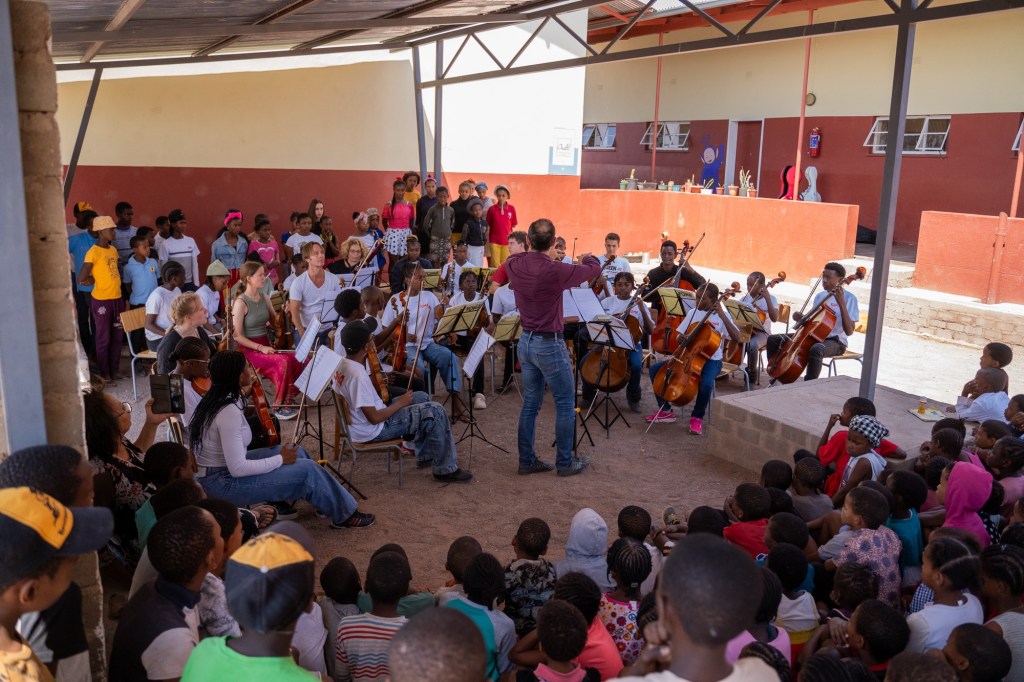
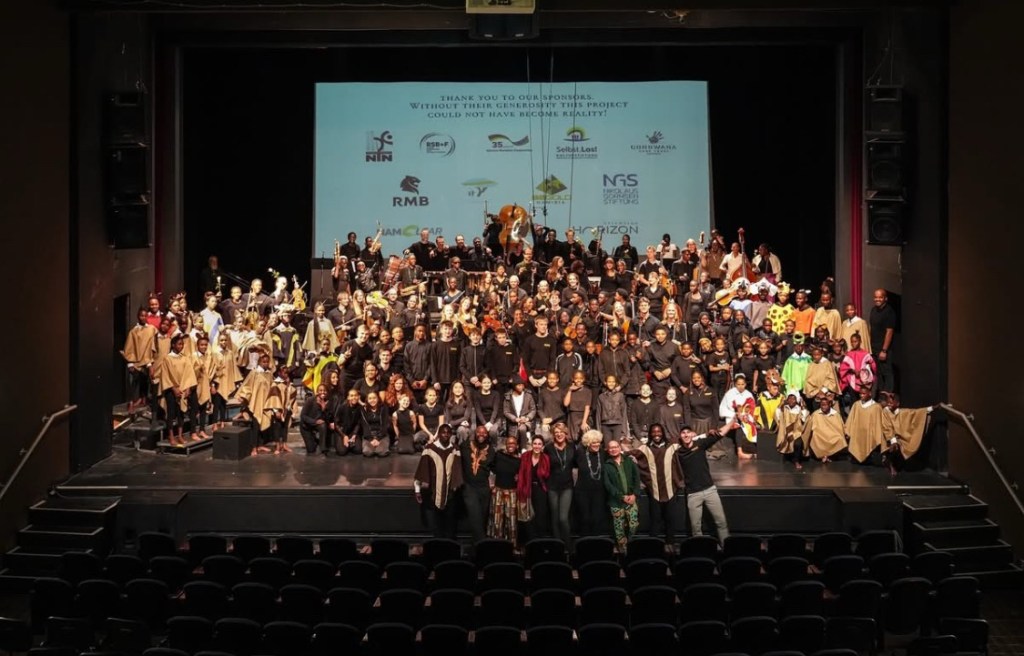
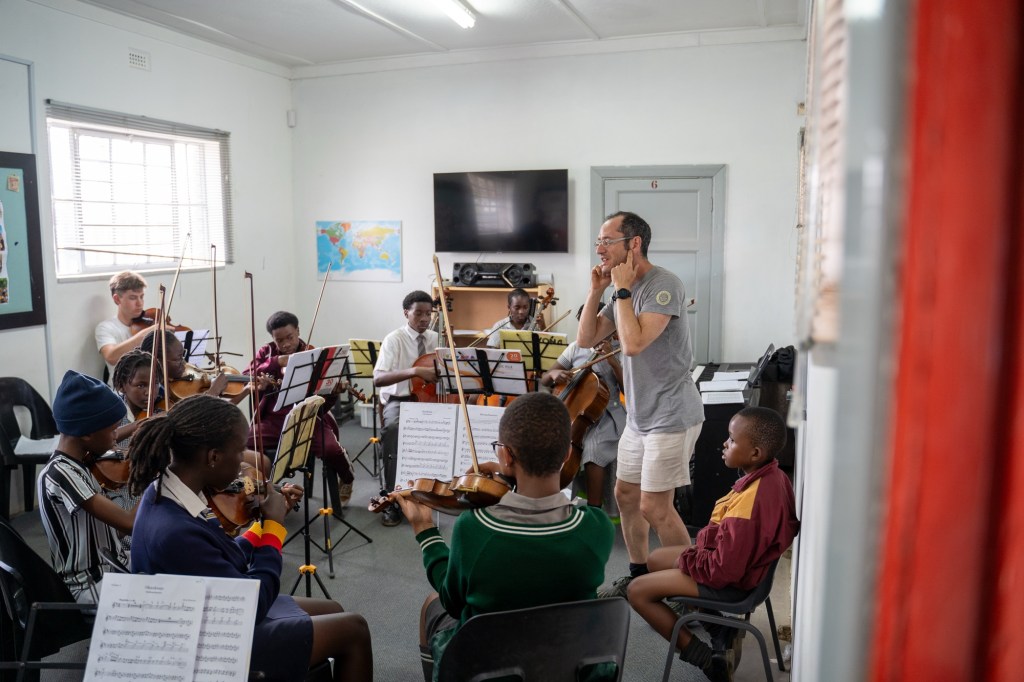
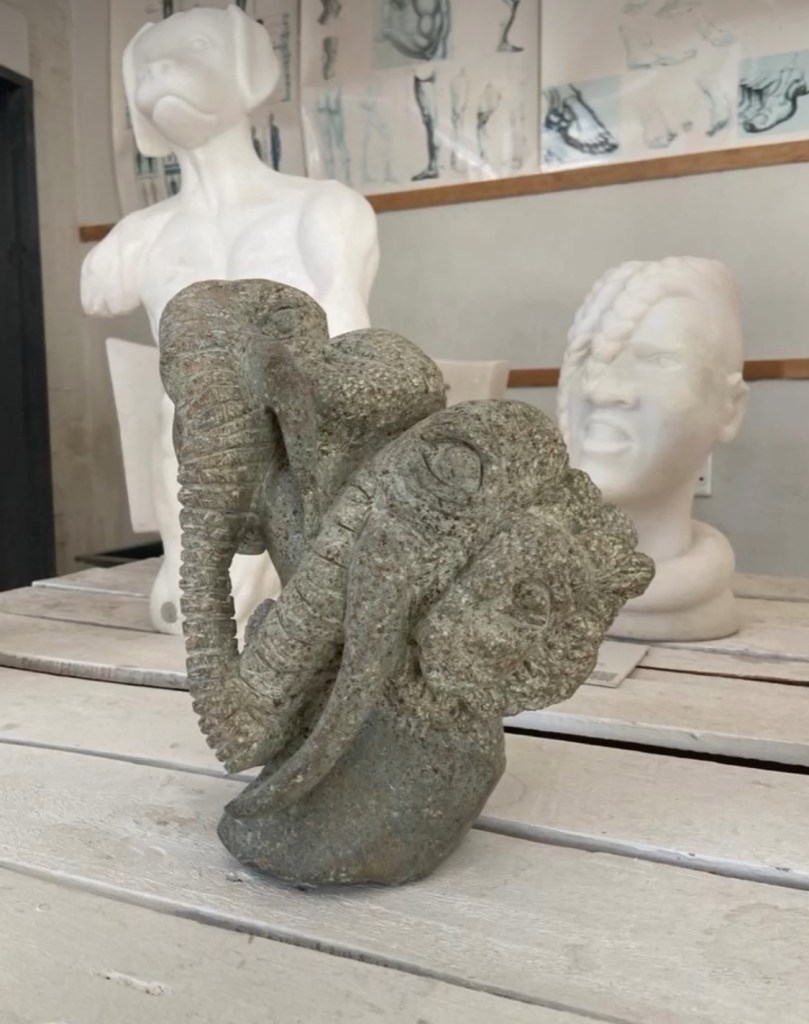
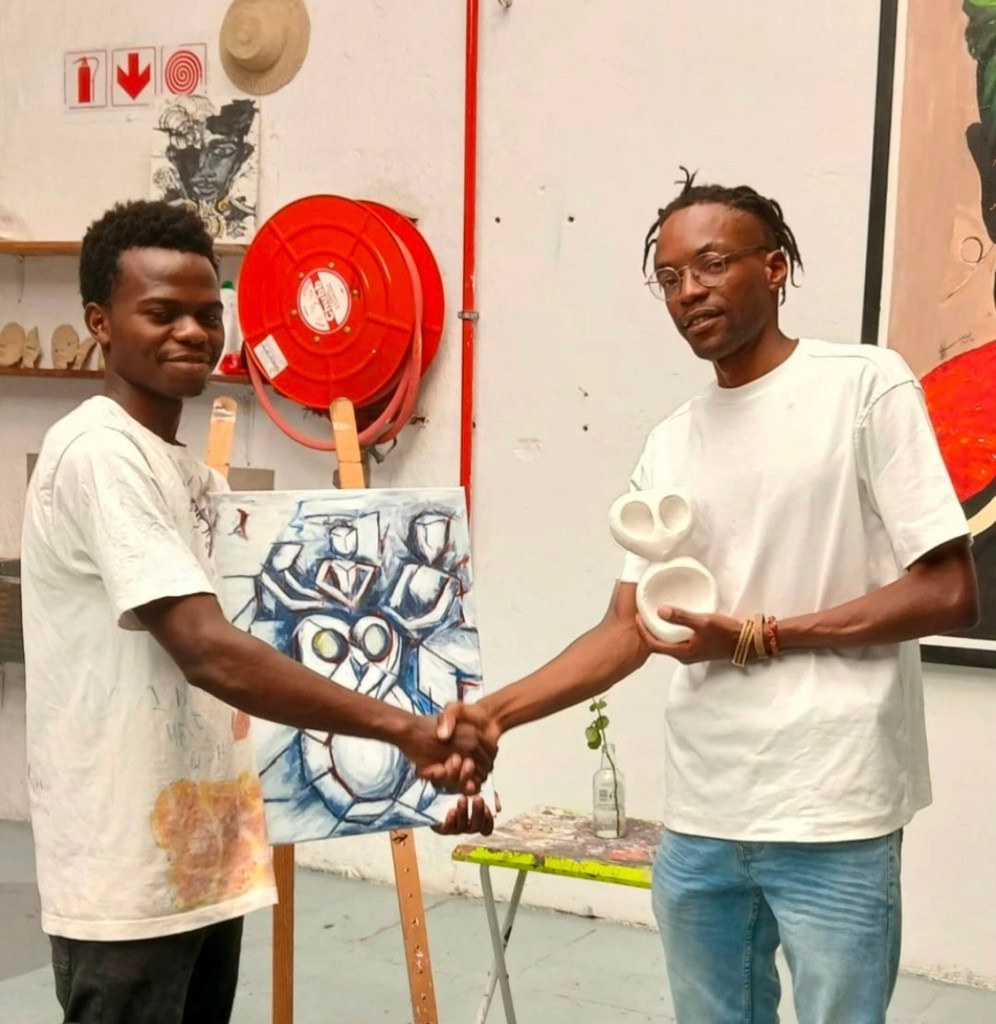
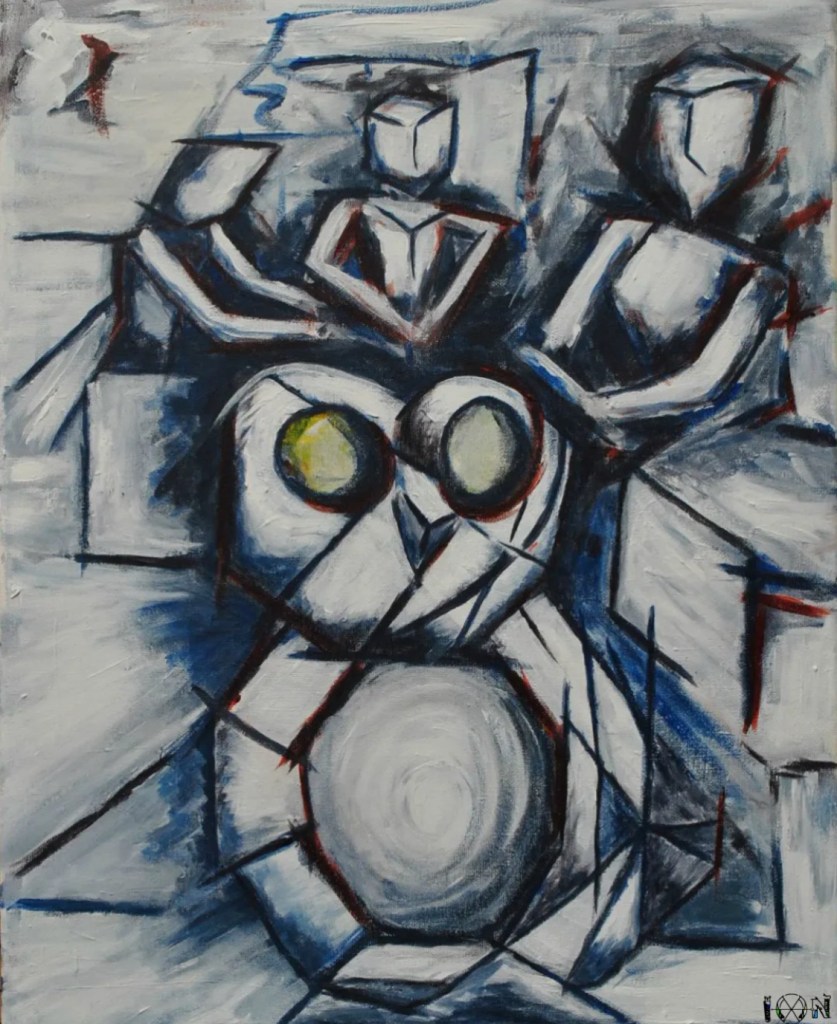
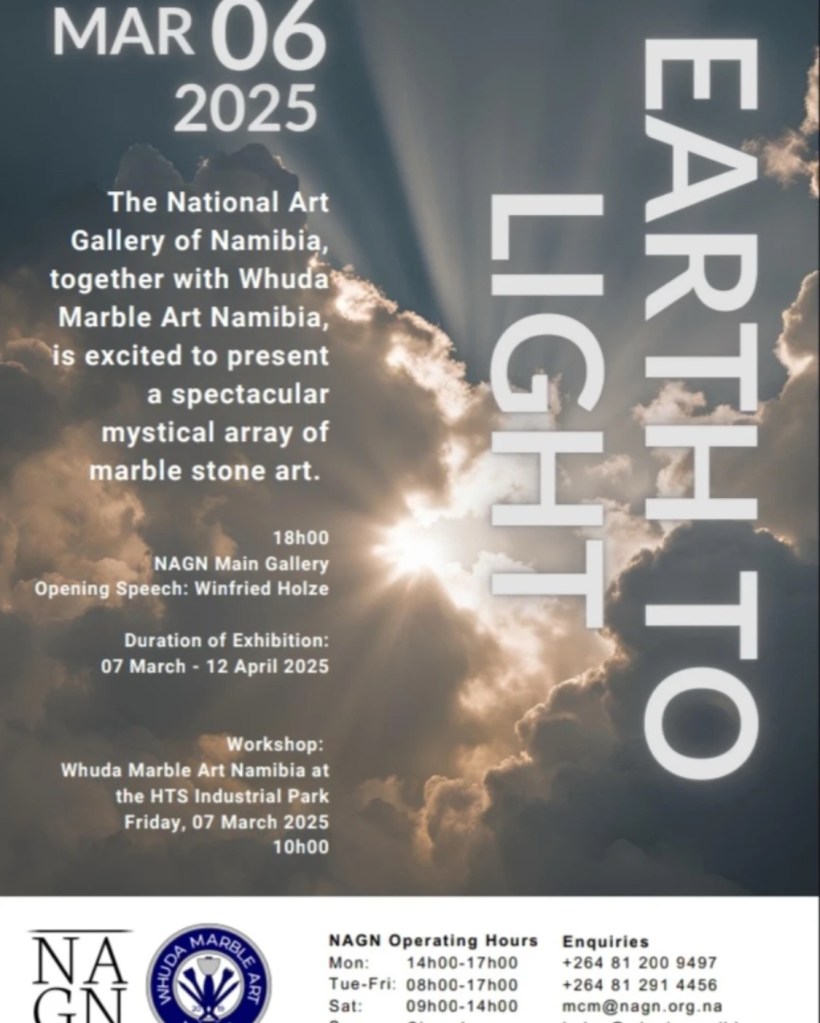

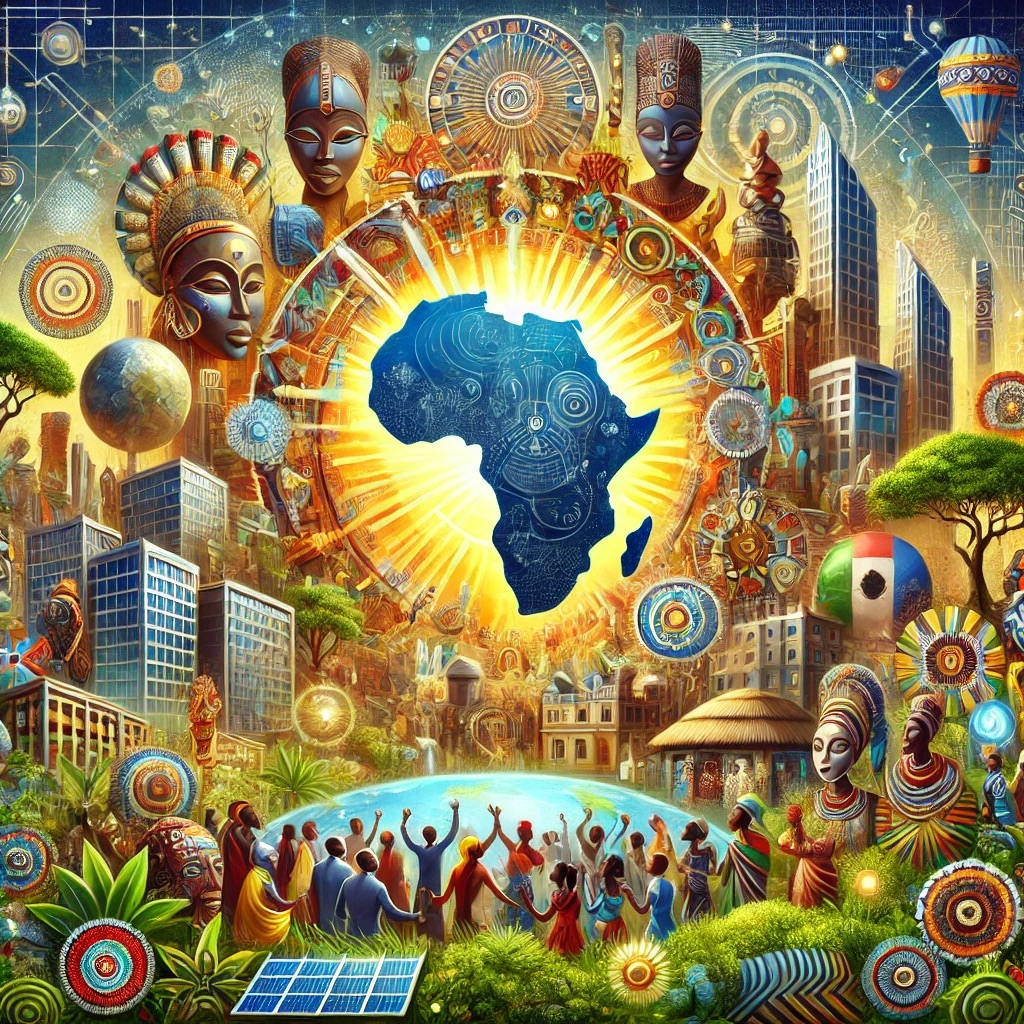
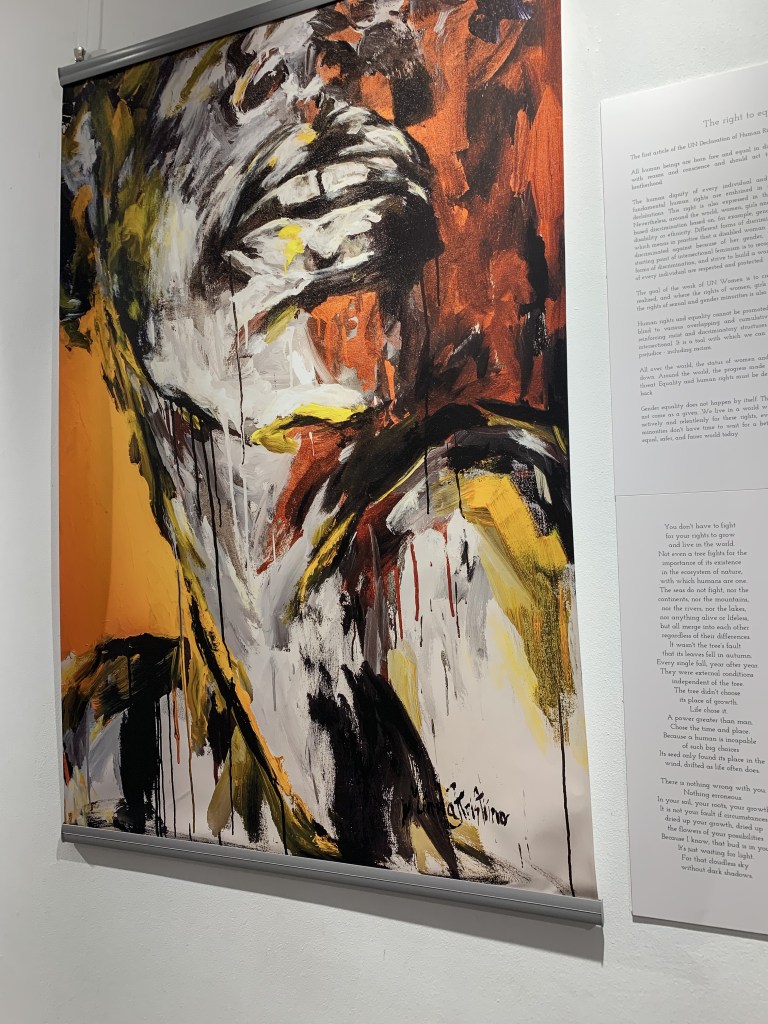
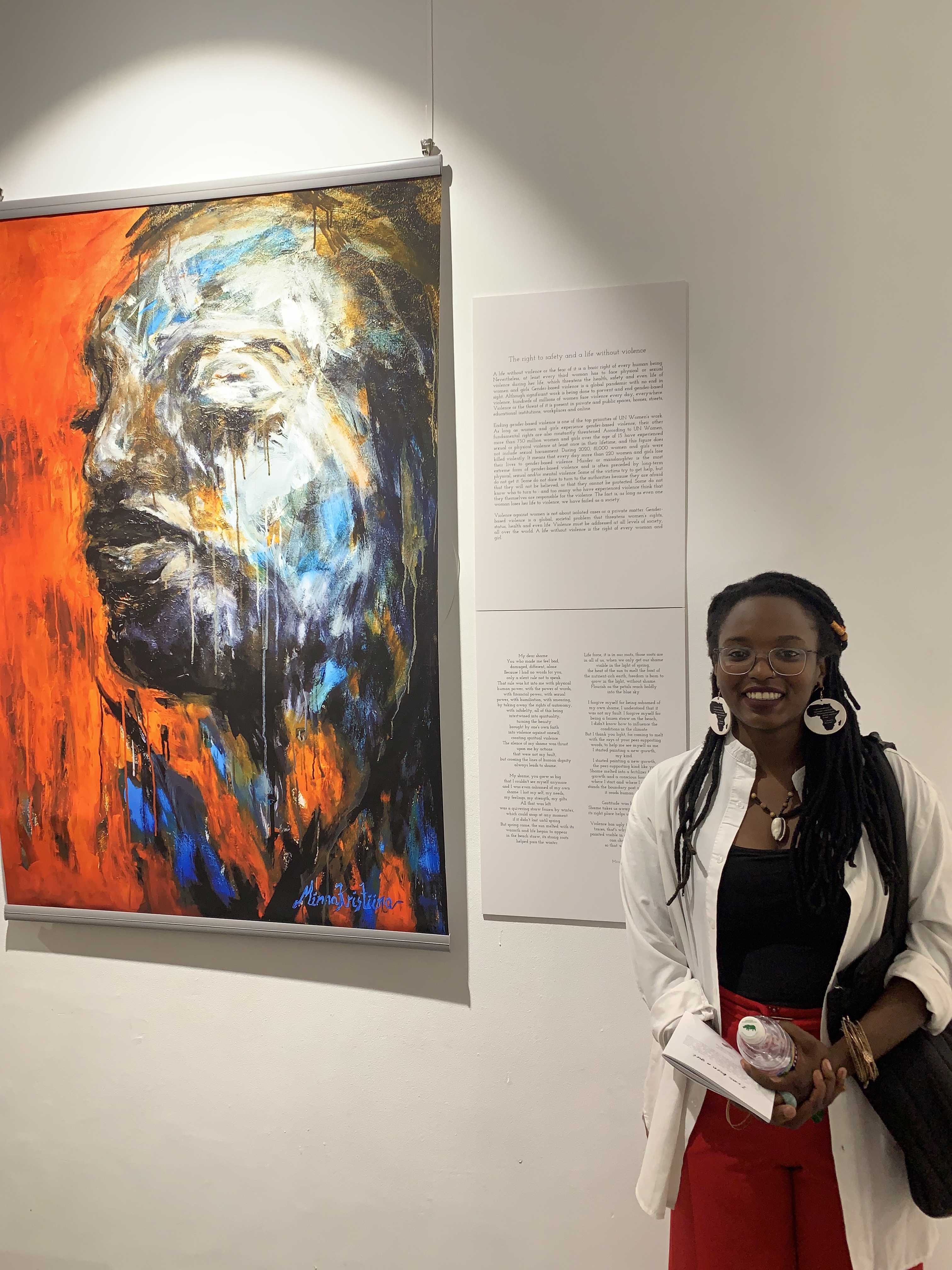
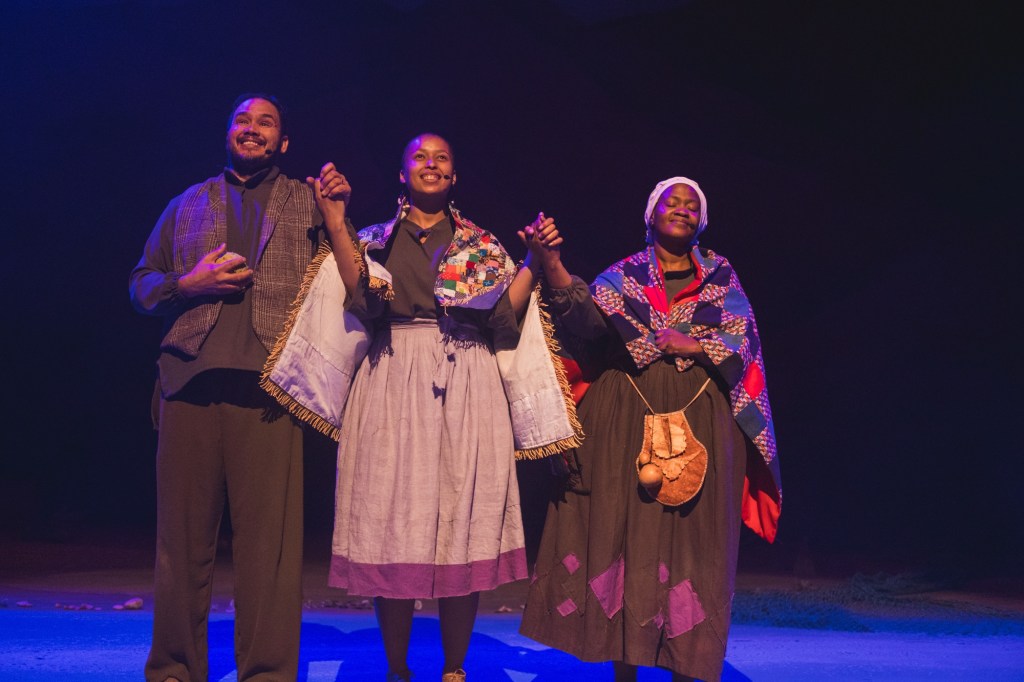
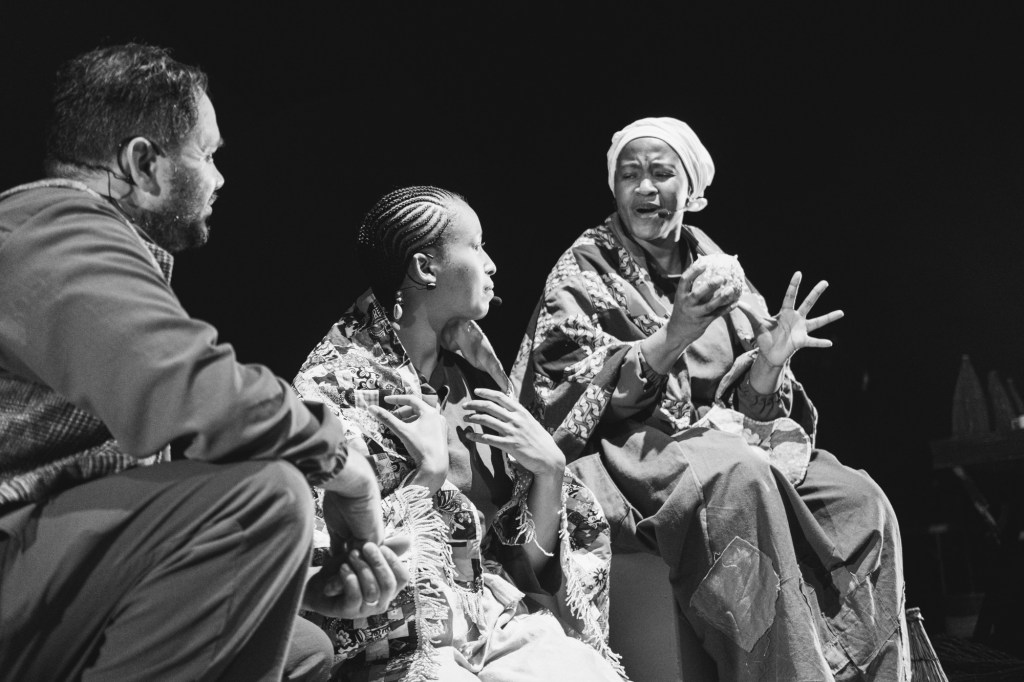
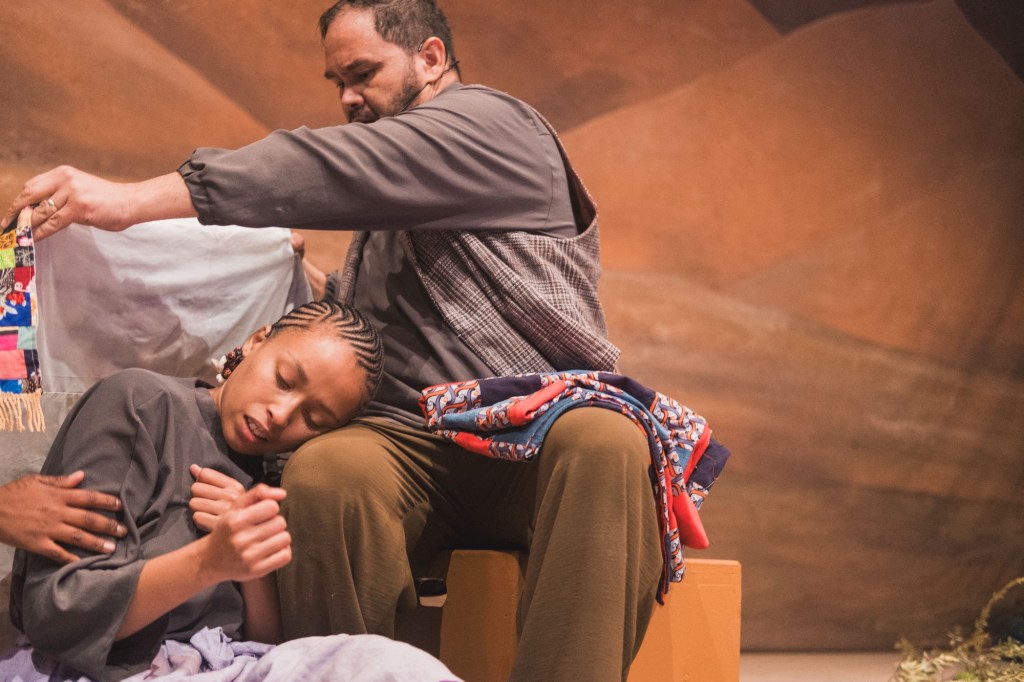
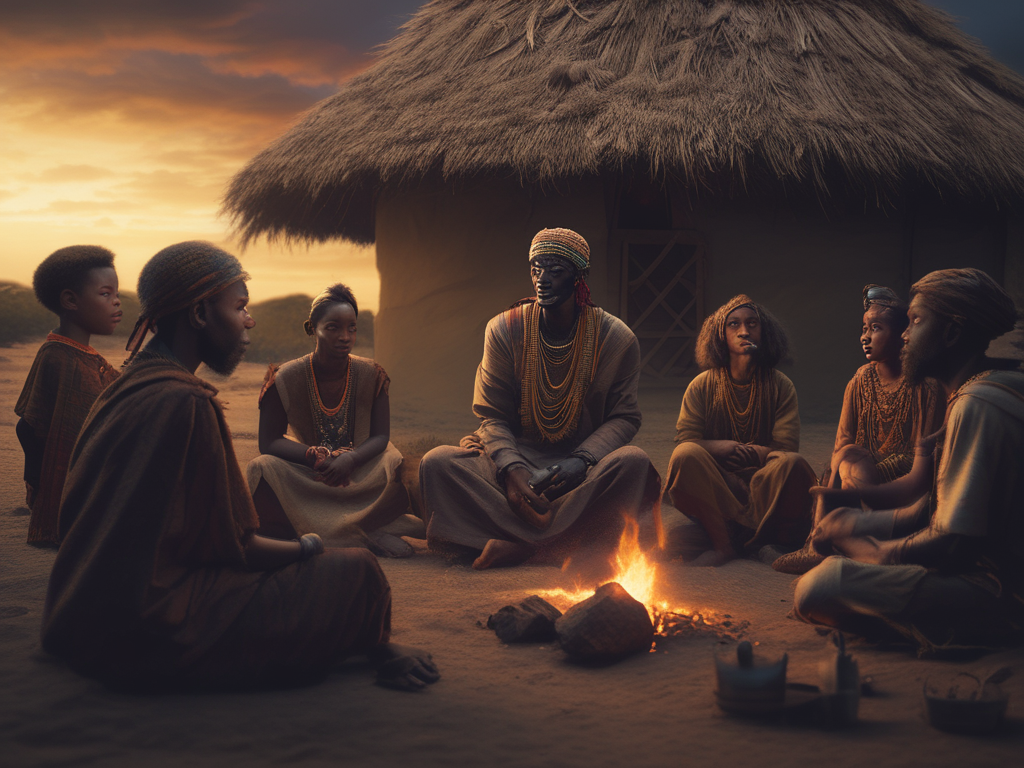
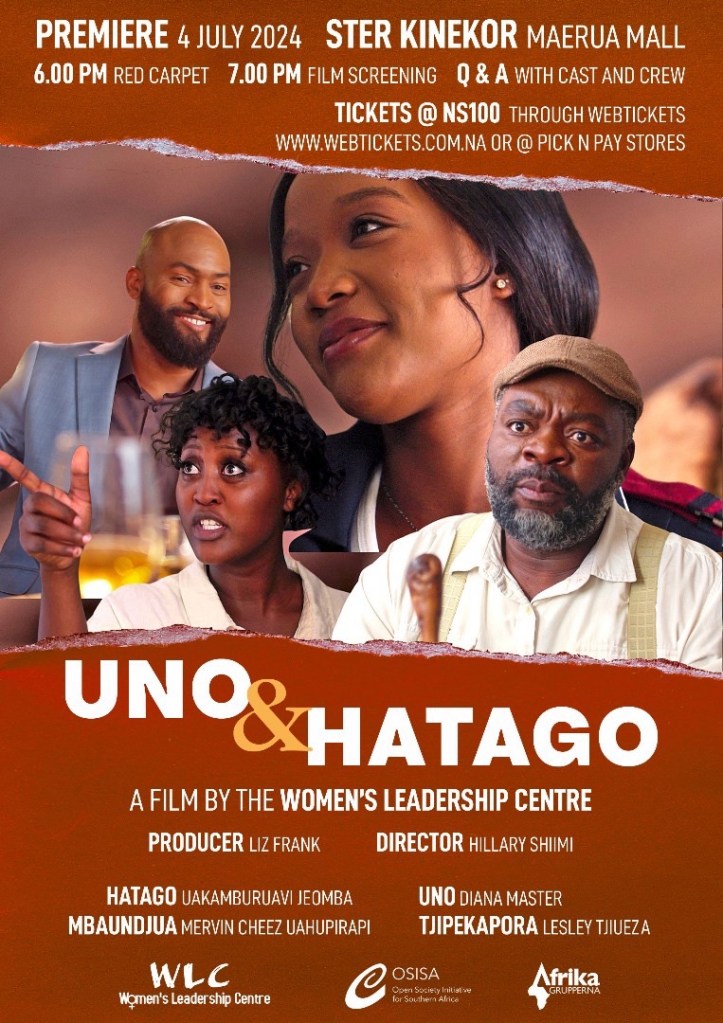
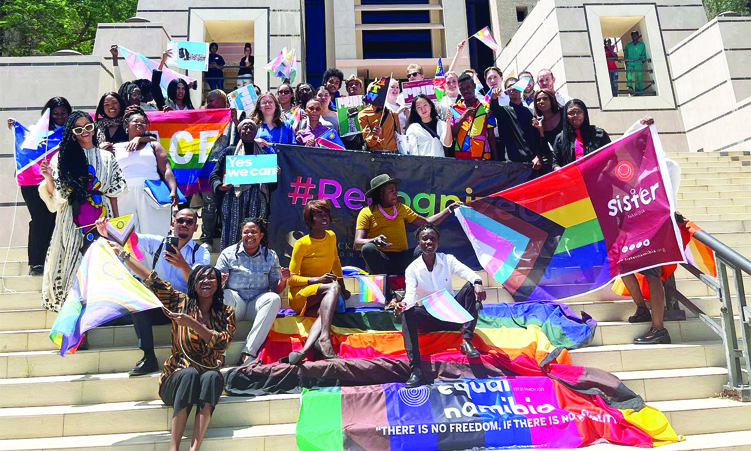
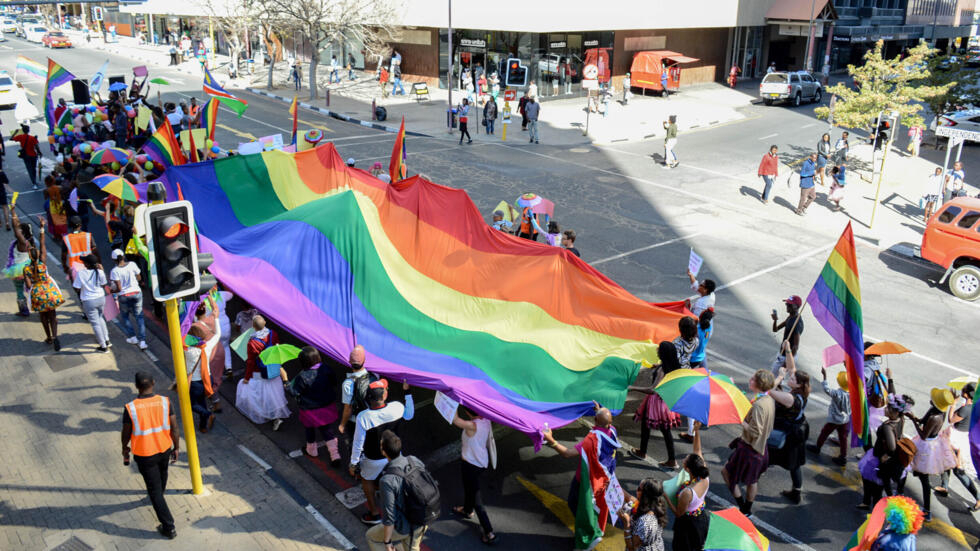
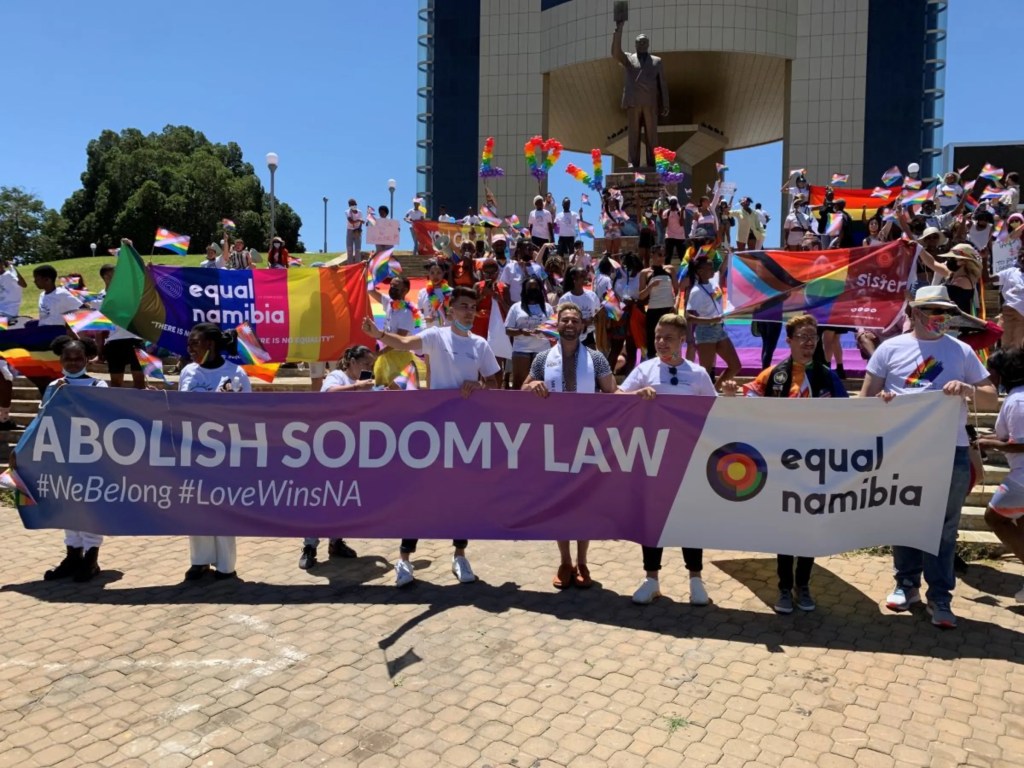
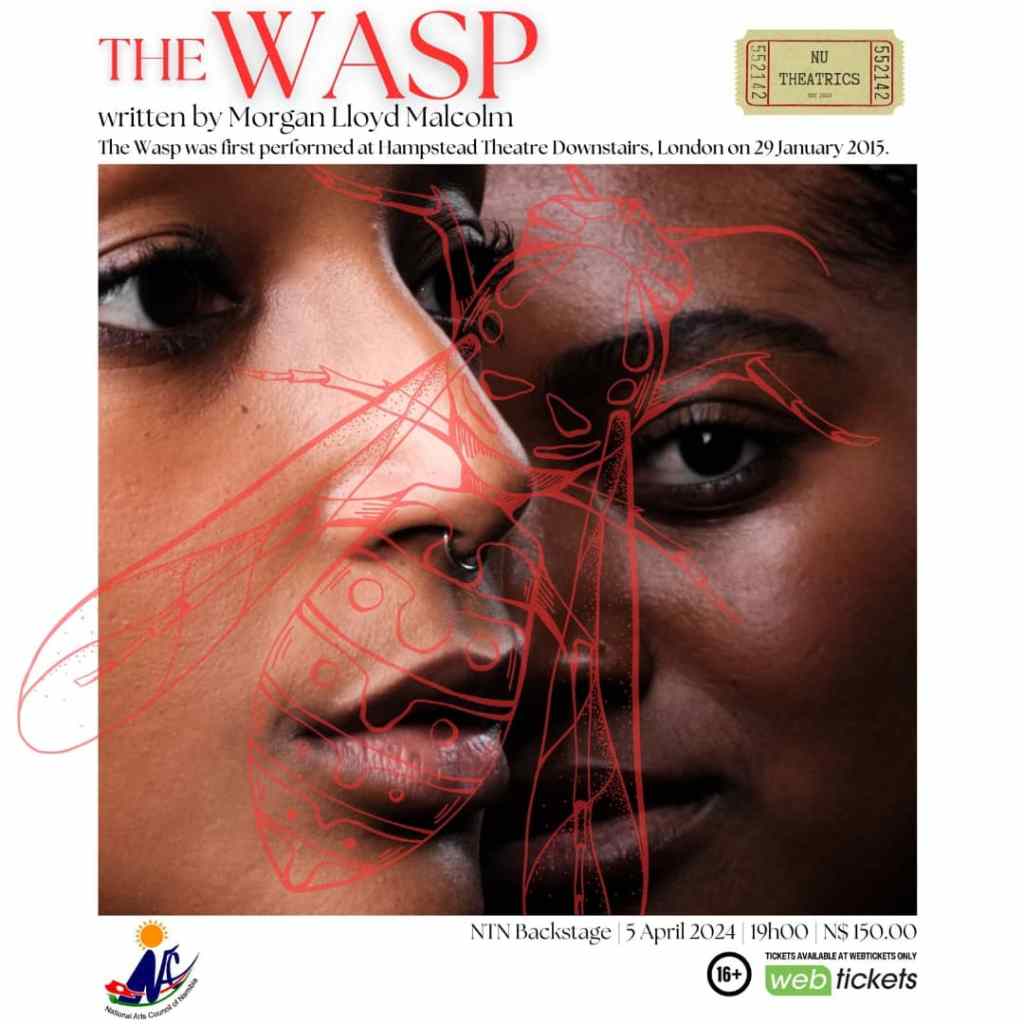

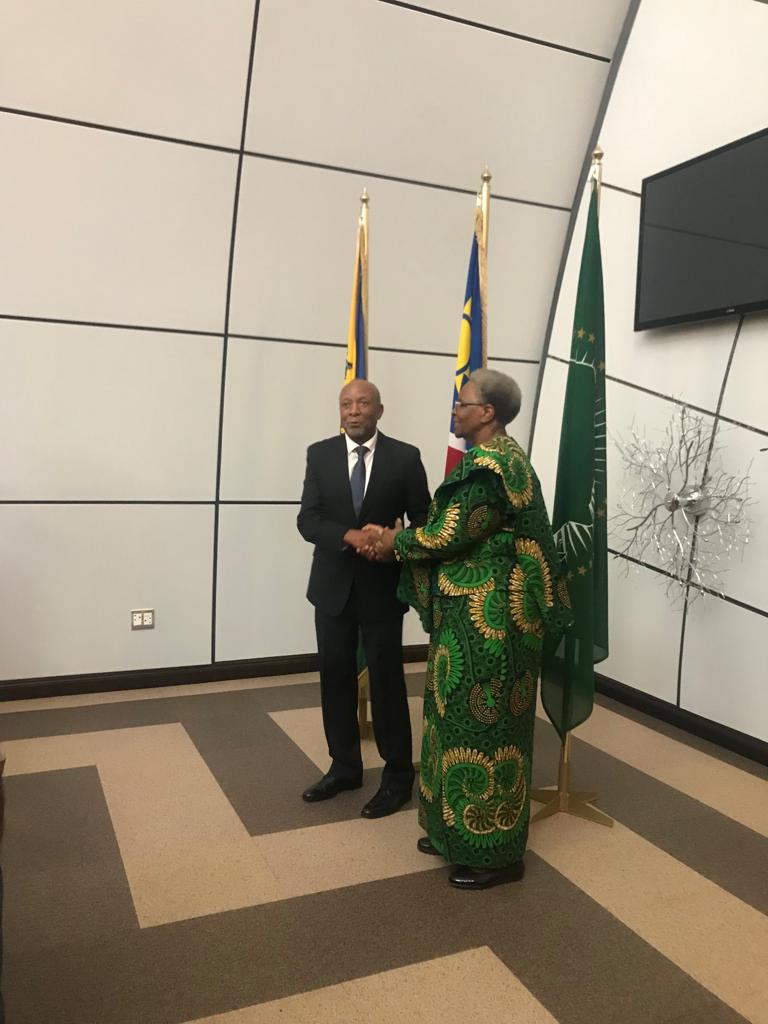



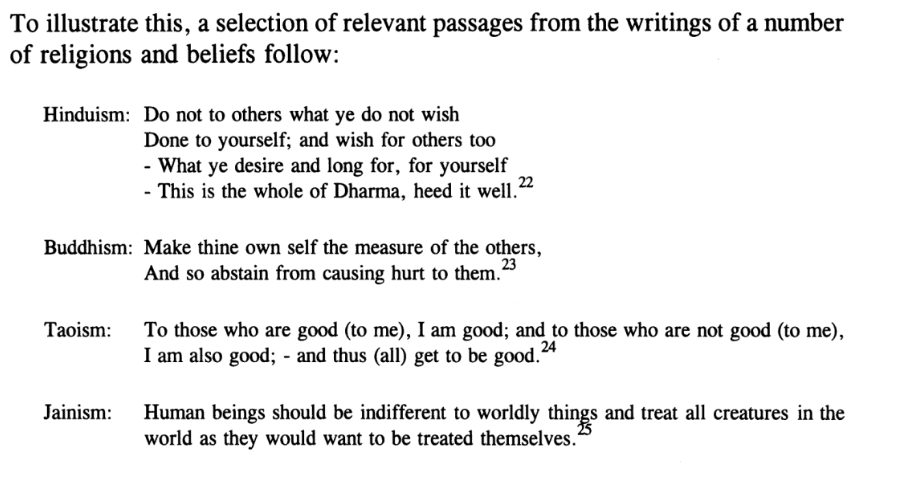
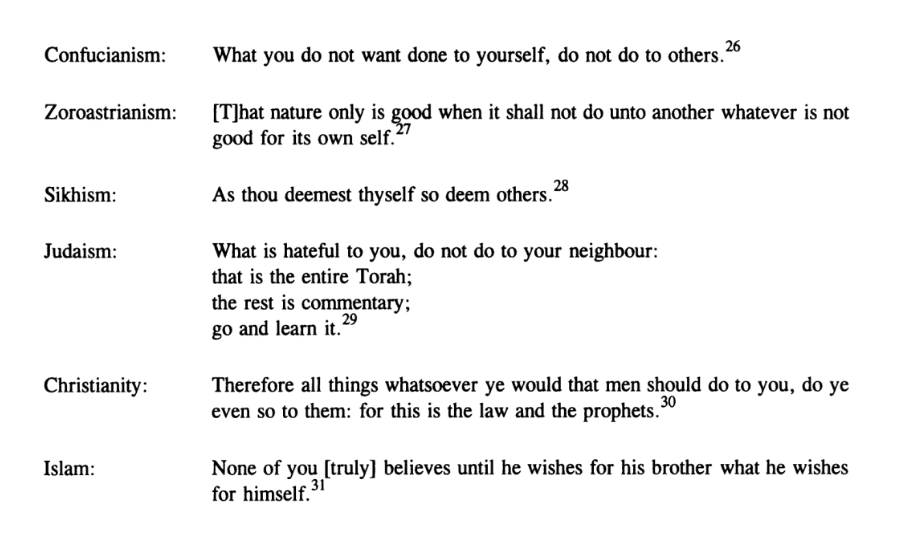


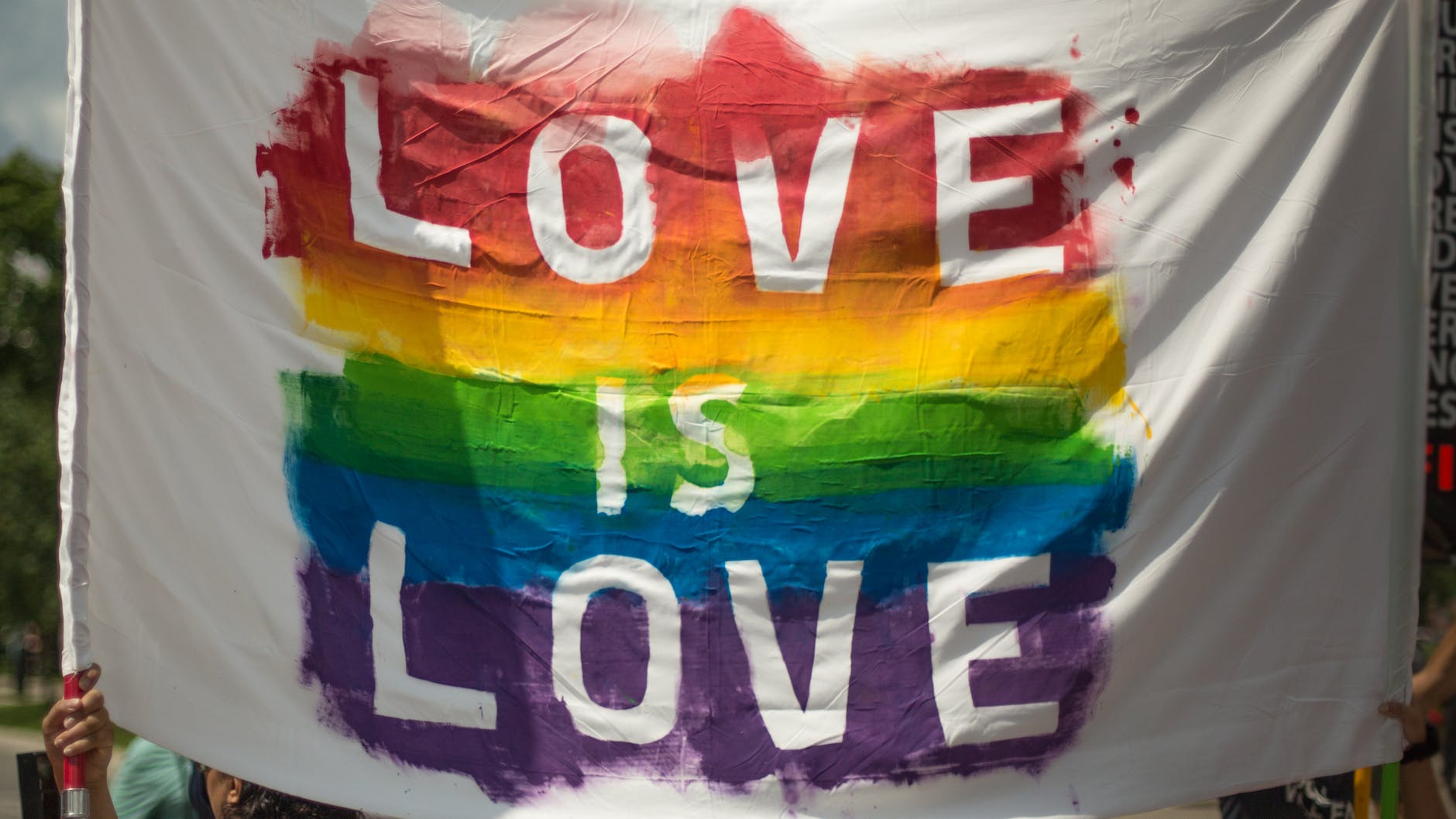
 ZENZE
ZENZE 